 Pin it
 My neighbor brought over a thermos of this soup on a gray winter afternoon, steam rising from the lid, and I was immediately transported somewhere warm and fragrant. The first spoonful made me pause—there was depth I couldn't quite name, that perfect balance of earthy barley and tender beef, with a brightness from fresh herbs that felt almost alive. She laughed when I asked for the recipe, saying her grandmother made it every week in Tehran, and it was never quite the same twice because it depended on what you had and how you felt that day. I've made it countless times since, and while mine might not be exactly hers, it's become the soup I reach for when I want something that feels both ancient and completely personal.
I made this for my sister when she was going through a rough patch, and she sat at my kitchen counter for three hours just watching it simmer, breathing in the turmeric and fresh herbs like they were medicine. She told me later that soup was the first moment she felt like things might actually be okay again, which is when I realized this recipe is about so much more than feeding people—it's about showing up for them in the most tangible way possible.
Ingredients
- Beef stew meat (500 g, cut into 2 cm cubes): Choose pieces with some marbling so they become silky as they braise—this is where the soup gets its depth and richness.
- Pearl barley (1/2 cup, rinsed): Rinsing removes the starch and keeps the broth clear rather than cloudy, which makes a surprising difference in how elegant the soup looks.
- Dried lentils (1/2 cup, rinsed): Red lentils break down too much, so stick with brown or green varieties that hold their shape and add textural contrast.
- Dried white beans or cannellini beans (1/2 cup, soaked overnight and drained): Soaking them overnight isn't just about cooking time—it makes them more digestible and gives them a creamier texture when they finally soften in the broth.
- Large onion (1, finely chopped): This is your flavor foundation, so don't rush the sautéing—golden onions taste completely different from pale ones.
- Medium carrots (2, diced) and celery stalks (2, diced): These create that classic aromatic base, and dicing them smaller than usual helps them cook through while the beef is still tender.
- Garlic (2 cloves, minced): Add it after the onions soften to prevent it from burning—burned garlic tastes bitter and harsh.
- Fresh herbs—parsley, cilantro, dill, chives (1/2 cup, 1/2 cup, 1/4 cup, 1/4 cup, chopped): These aren't an afterthought; they're what make Persian soup taste like Persian soup, so don't substitute or skip them.
- Dried mint (2 tbsp): Most of it goes into the fried onion garnish, but its warm, slightly medicinal note is absolutely crucial to the finished flavor.
- Sour cream (200 g): A generous swirl at the end creates a silky richness—or use kashk if you want to go full Persian and get that fermented tang.
- Olive oil (2 tbsp) and butter (1 tbsp for fried onions): The oil browns the meat efficiently, while the butter gives the onions their golden crispness.
- Ground turmeric (1 tsp), black pepper (1/2 tsp), salt (1 1/2 tsp plus more to taste): Turmeric is the spice signature here—it gives that warm, slightly earthy undertone that makes people ask what the secret ingredient is.
- Beef or vegetable stock (2 liters): Use homemade if you have it, but good quality store-bought is perfectly fine and still creates excellent flavor.
Tired of Takeout? 🥡
Get 10 meals you can make faster than delivery arrives. Seriously.
One email. No spam. Unsubscribe anytime.
Instructions
- Brown the beef to seal in the flavor:
- Heat a tablespoon of olive oil over medium-high heat until it shimmers, then add your beef cubes in a single layer—don't crowd the pot or they'll steam instead of sear. Let them sit undisturbed for about two minutes per side until deeply browned, which takes roughly five minutes total and creates the savory foundation the entire soup depends on.
- Build your flavor base with aromatics:
- Add the remaining oil to the pot and sauté your chopped onions until they're golden and soft, which takes about six minutes and fills your kitchen with a smell that promises something delicious. Stir in the minced garlic, turmeric, black pepper, and salt, cooking for just one minute until it becomes fragrant—this is the moment when raw spices transform into something warm and inviting.
- Add the supporting vegetables:
- Toss in your diced carrots and celery and let them cook for three more minutes until they start to soften slightly and release their own subtle sweetness into the pot.
- Combine everything and let time do the work:
- Return the browned beef to the pot, add the rinsed barley, lentils, drained soaked beans, and your stock. Bring everything to a boil—you'll see the surface foam slightly—then reduce heat to low, cover, and let it simmer gently for an hour and a half, stirring occasionally to ensure nothing sticks to the bottom.
- Finish with fresh herbs for brightness:
- After the hour and a half, add all your chopped fresh parsley, cilantro, dill, and chives to the pot and simmer uncovered for ten more minutes, which allows the flavors to mellow together while the fresh herbs maintain their vibrant character. Taste the soup and add more salt if needed—it should taste fully seasoned but not overly salty.
- Create the crispy mint-fried onion garnish:
- While the soup simmers, melt a tablespoon of butter in a small skillet over medium-low heat and add a thinly sliced onion, cooking it slowly and patiently for about ten minutes until it transforms from raw to deeply golden and crisp—this slow method creates onions that are sweet and fragile, not burnt. Stir in the dried mint in the final minute just to toast it slightly and release its aroma.
- Assemble and serve with elegance:
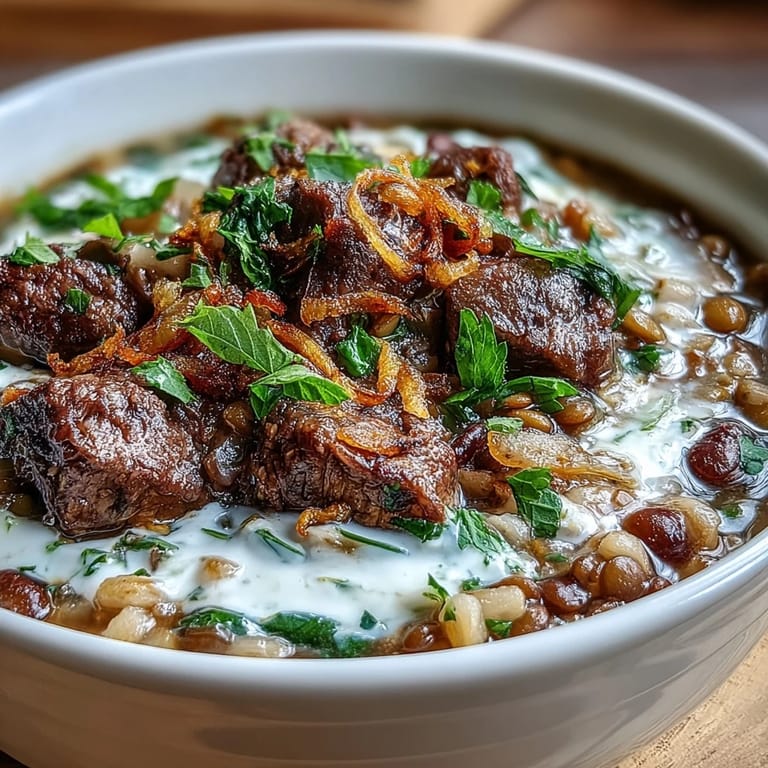
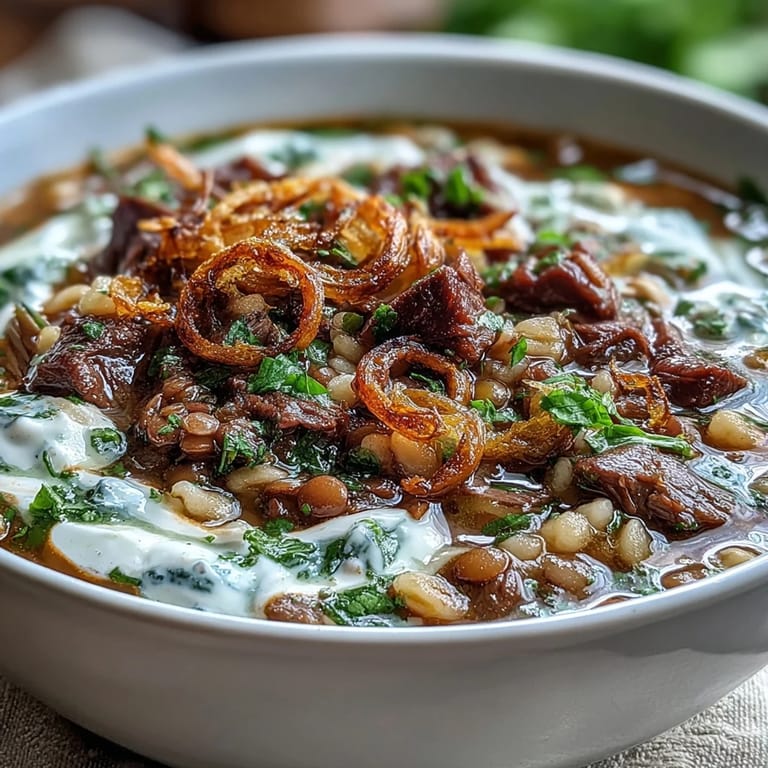
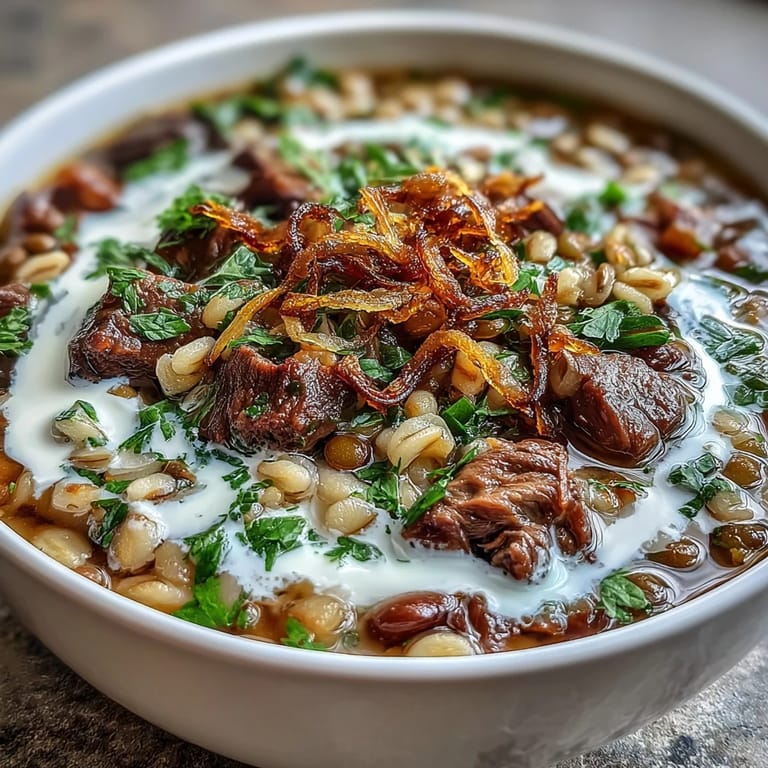
- Ladle the steaming soup into bowls and swirl a generous spoonful of sour cream into each one, which creates beautiful white marbling across the surface and adds a cooling richness. Top generously with the mint-fried onions and serve immediately alongside crusty bread or Persian flatbread for soaking up every last drop.
 Pin it
 The first time I brought this soup to a potluck, someone came back for thirds and asked if I'd been cooking it my whole life, which was funny because I'd learned it just months before. That question stuck with me though—it made me realize that the best recipes don't have to come from your family history to feel like home, they just have to be made with intention and genuine care.
Customizing for Your Pantry and Preferences
The beauty of this soup is that it bends to what you have on hand without losing its essential character. If you can't find all four fresh herbs, double up on your favorites—cilantro and parsley are the non-negotiable pair, but dill and chives can shift based on what's available at your market or growing in your garden. Some variations I've enjoyed include swapping the white beans for chickpeas, adding a small handful of spinach in the final minutes for earthiness and color, or even stirring in a tablespoon of tomato paste to deepen the savory notes.
Making It Vegetarian or Vegan
If you want to make this without beef, skip the browning step and simply sauté your onions, then add vegetables and spices as usual before adding vegetable stock instead. The soup still needs to develop flavor, so consider adding a tablespoon of balsamic vinegar or a squeeze of lemon juice at the end to create that savory depth the meat would have provided. For a fully vegan version, replace the sour cream with cashew cream or simply serve it without, allowing the soup to shine on its own—the mint-fried onions made with vegan butter are still absolutely essential.
Storage and Reheating Tips
This soup is wonderful to make ahead because the flavors actually improve after a day in the refrigerator as the herbs and spices continue to meld together. Keep it in an airtight container for up to four days, or freeze it for up to three months—though I recommend freezing it before adding the sour cream garnish, which you can swirl in fresh when you reheat. Reheat gently on the stovetop over low-medium heat, stirring occasionally, and you might need to add a splash more stock if it's thickened too much.
- Always add the fresh herb garnish and sour cream just before serving to maintain their texture and bright flavor.
- The mint-fried onions are best made the day of, but you can prepare them an hour ahead and store them in an airtight container at room temperature.
- Leftover soup becomes even more luxurious the next day, so don't hesitate to make a double batch.
 Pin it
 This soup has a way of becoming part of your rotation without you quite realizing when it happened, moving from something you're trying to something you make because your body asks for it on cold mornings. That's how you know it's truly a keeper.
Recipe Questions & Answers
- → Can I make this vegetarian?
Yes, simply omit the beef and use vegetable stock instead. The barley, lentils, and beans provide plenty of protein and substance.
- → What is kashk and can I substitute it?
Kashk is a fermented whey product traditional in Persian cooking. It has a tangy, slightly salty flavor. Sour cream makes an excellent substitute, though Greek yogurt thinned with a bit of lemon juice works too.
- → How long does this soup keep?
This soup keeps well for 4-5 days in the refrigerator. The flavors actually improve after a day or two. Reheat gently on the stove, adding a splash of water or stock if it has thickened too much.
- → Do I need to soak the beans?
Yes, soaking the white beans overnight helps them cook evenly and reduces cooking time. If you forget, you can use canned white beans—add them during the last 30 minutes of simmering.
- → Can I freeze this soup?
This freezes beautifully for up to 3 months. However, add the sour cream and fried onions fresh when reheating, as the dairy can separate and the onions lose their crisp texture in the freezer.
- → What can I serve with this soup?
Crusty bread, Persian flatbread, or even crackers make perfect accompaniments. A simple side salad with fresh herbs and a light lemon dressing also complements the rich, hearty flavors beautifully.