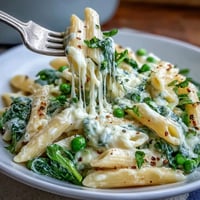
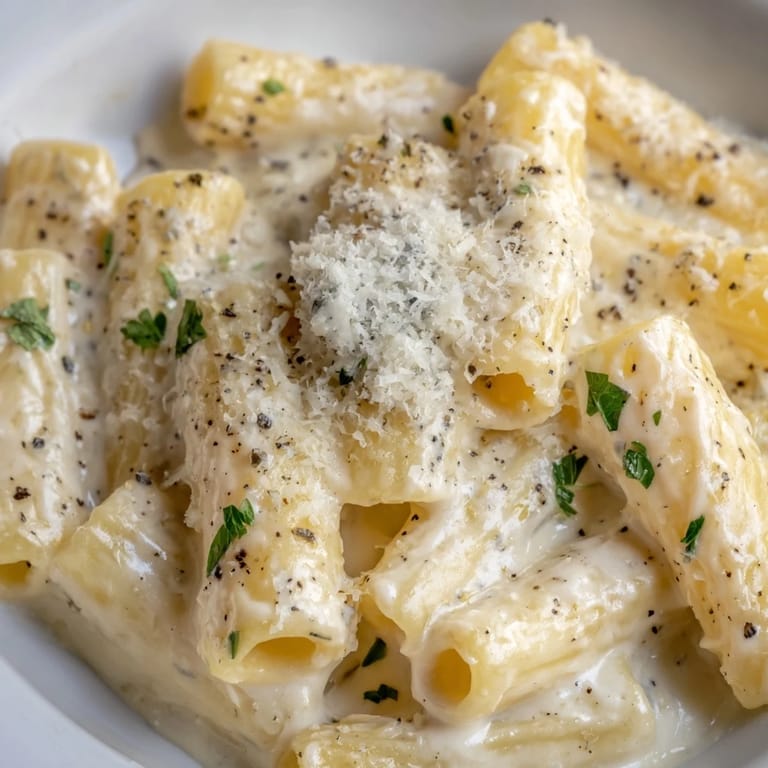
 Pin it
 The soft bubbling of milk on the stove creates this aroma that's completely different from water-boiled pasta – richer, sweeter, more inviting. I discovered this one-pot milk pasta technique during a thunderstorm when I couldn't face a trip to the store but desperately needed comfort food. The way the pasta releases its starch directly into the milk creates this velvety sauce that clings to every bite, transforming basic ingredients into something that feels like a culinary magic trick.
Last winter, my neighbor lost power during a snowstorm, so I invited her family over for dinner but had limited ingredients on hand. This milk pasta came together in minutes with pantry staples, and her eight-year-old son, who typically refuses anything creamy, asked for seconds and then whispered to his mom that my pasta was magic. The simplest dishes often create the most meaningful connections around the table.
Ingredients
- 350g short pasta: Shapes with ridges or curves like penne or fusilli work best as they trap more of that luscious milk sauce in every bite.
- 1 liter whole milk: Please dont substitute low-fat versions here – the richness of whole milk creates that luxurious mouthfeel that makes this dish special.
- 60g unsalted butter: Creates a subtle nutty foundation when it meets the garlic at the beginning.
- 60g Parmesan cheese: Freshly grated makes a world of difference in how it melts into the sauce.
- 2 garlic cloves: Mincing them very finely helps them almost dissolve into the sauce rather than leaving harsh bits.
- Pinch of nutmeg: My secret weapon that enhances the milks natural sweetness without making the dish taste like dessert.
Tired of Takeout? 🥡
Get 10 meals you can make faster than delivery arrives. Seriously.
One email. No spam. Unsubscribe anytime.
Instructions
- Build the flavor base:
- Melt the butter over medium heat until it starts to foam slightly, then add your minced garlic and let it dance in the butter for about a minute. Youll know its ready when your kitchen fills with that irresistible garlicky aroma but before it takes on any color.
- Create the cooking liquid:
- Pour in the milk and let it warm just until you see tiny bubbles forming around the edges – never let it boil or it might separate. The surface should shimmer with gentle heat, not rage with bubbles.
- Add the pasta:
- This is where the magic happens – the dry pasta goes directly into the warm milk along with your salt, pepper and nutmeg. Make sure each piece gets a milk bath by stirring gently.
- Mind the simmer:
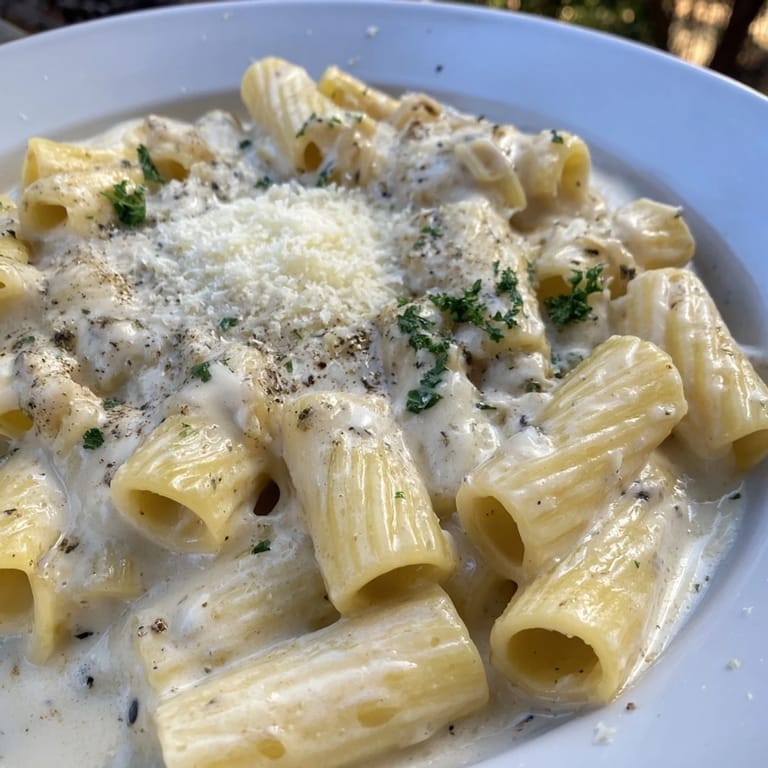
- Keep the heat at a gentle murmur as you stir frequently for the next 12-15 minutes. Youll watch with satisfaction as the sauce gradually thickens while the pasta softens to al dente perfection.
- Finish with cheese:
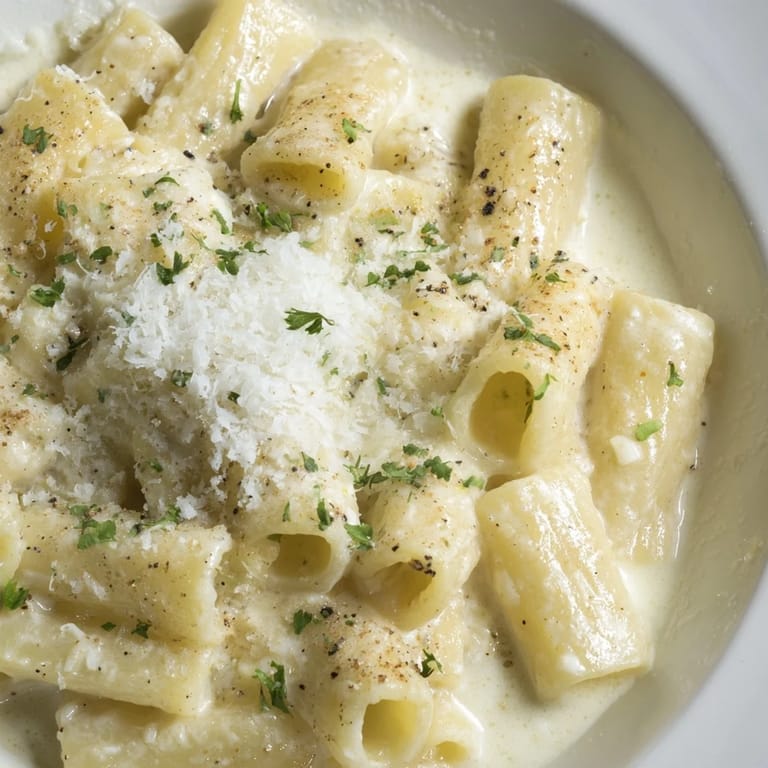
- Take the pan off the heat before stirring in the Parmesan, letting the residual warmth melt it into a silky finish. The transformation from separate ingredients to unified sauce happens before your eyes in this final, magical step.
- Garnish with care:
- A light shower of chopped parsley brings a fresh contrast to the richness, while extra Parmesan is never a bad idea. Serve immediately while the sauce is at its creamiest consistency.
 Pin it
 This pasta brought unexpected comfort when I made it for a friend going through a tough divorce. We sat at my kitchen island, the steam rising from our bowls as she shared her worries between bites. Something about the simplicity of the meal opened a space for honest conversation, and she later told me it was the first time shed felt genuinely hungry in weeks. Food becomes more than sustenance in these quiet moments of connection.
Variations to Try
The beauty of this recipe lies in its adaptability to whatever ingredients you have on hand. Ive tossed in handfuls of spinach in the final minute of cooking, watching the leaves wilt into beautiful green ribbons throughout the pasta. Another time, I added lemon zest and a few tablespoons of mascarpone for a brighter, even creamier version that had everyone at the table silent with appreciation.
Troubleshooting Tips
If your sauce appears too thin halfway through cooking, dont panic and crank up the heat – this is the most common mistake. Patience allows the starch from the pasta to naturally thicken the milk as it cooks. Conversely, if your sauce thickens too quickly while the pasta remains undercooked, add warm milk a quarter cup at a time, stirring gently until you reach that perfect balance.
Serving Suggestions
While this creamy pasta shines as a main dish, Ive discovered its also sublime alongside simple roasted vegetables or a crisp green salad dressed with nothing more than lemon juice and olive oil. The contrast between the rich pasta and something bright and acidic creates a perfectly balanced plate that satisfies on multiple levels.
- For a complete meal, serve with garlic bread to soak up every last drop of that precious sauce.
- A chilled glass of Pinot Grigio cuts through the richness beautifully, especially on warm evenings.
- Leftovers transform magically when baked with extra cheese on top until golden and bubbly.
 Pin it
 This one-pot wonder has saved countless weeknight dinners in my home, proving that comfort food doesnt require complicated techniques or a sink full of dishes. Its the recipe I turn to when I need to nourish both body and spirit with minimal effort.
Recipe Questions & Answers
- → Can I use milk alternatives for this dish?
Yes, you can substitute whole milk with alternatives like oat milk, almond milk, or coconut milk. Note that thinner alternatives may require slightly longer cooking time. Full-fat options work best for achieving a creamy sauce.
- → How do I prevent the milk from boiling over?
Keep the heat at medium and watch carefully as the milk heats. Once it reaches a gentle simmer, maintain this temperature throughout cooking. If needed, place a wooden spoon across the pot rim to prevent bubbling over.
- → What type of pasta works best?
Short pasta shapes like penne, fusilli, or rigatoni are ideal because they cook evenly in milk and trap the creamy sauce. Avoid long pasta like spaghetti, which may break and absorb too much liquid.
- → Can I make this ahead or reheat leftovers?
This dish is best served immediately after cooking. If reheating, do so gently over low heat with a splash of additional milk to restore the creamy consistency, as the sauce thickens when cooled.
- → How do I adjust the sauce consistency?
If the sauce thickens too quickly during cooking, add more milk gradually while stirring. If it remains too thin after the pasta is tender, increase heat slightly to allow more evaporation, or stir in cream cheese for richness.
- → Is this dish suitable for dietary restrictions?
This vegetarian dish contains dairy and gluten from pasta. For dairy-free versions, use plant-based milk and nutritional yeast instead of Parmesan. Use gluten-free pasta for a gluten-free adaptation.