 Pin it
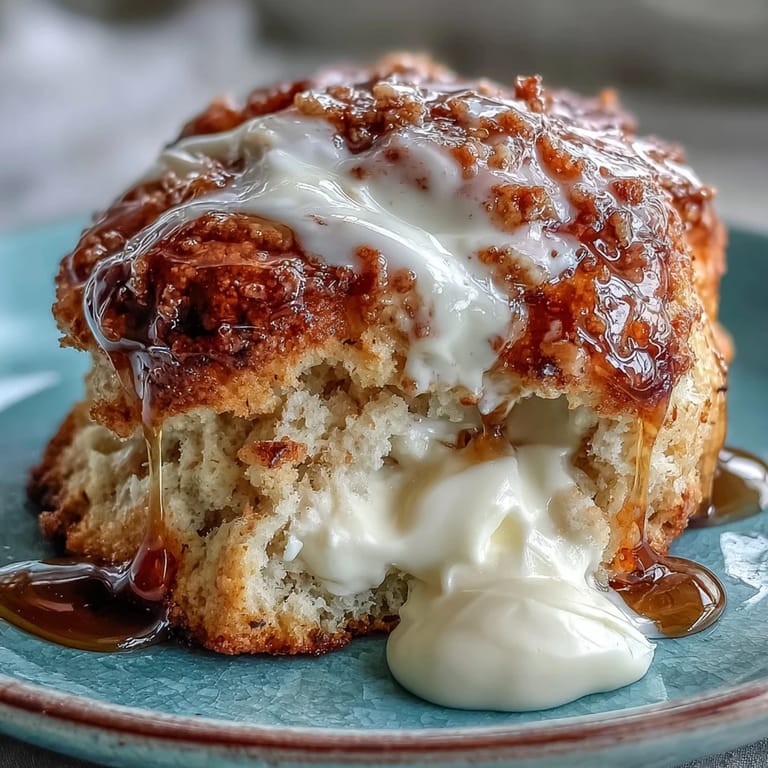
 The first time dandelion honey made its way into my kitchen, a gentle aroma wafted through the air and caught me off guard. Not long after, I mixed that floral sweetness into scone dough on a whim while a spring breeze rustled the curtains, making the kitchen feel lively. By the time the first batch emerged golden from the oven, the scent alone felt like a celebration of the season. Sometimes, the simple anticipation of tea and warm scones is all you need to elevate an ordinary afternoon into something memorable. There's a certain delight in serving these with clotted cream, watching friends smear and drizzle each bite with gusto.
I remember baking these for a Saturday brunch when my sister visited after a long rainy spell—her laughter and the dandelion honey on her fingertips outshone the dreary weather. We both agreed nothing beats the warmth of fresh scones, especially when paired with a generous dollop of clotted cream and another drizzle of honey. That morning, even the cat nudged closer, drawn by the golden aroma lingering from the oven. It felt like we shared more than food—there was a little joy with every plate. I ended up jotting the recipe on a scrap of paper for her, flour smudges and all.
Ingredients
- All-purpose flour: Choose a quality flour—it keeps the scones tender, and sifting ensures an even crumb.
- Granulated sugar: Adds just enough sweetness without overpowering the honey, and I learned to sprinkle a pinch for a good crust.
- Baking powder: This is your lift, so check dates for freshness; flat powder means flat scones.
- Fine sea salt: Underrated, but makes all the flavors pop—I sometimes add an extra pinch for depth.
- Cold unsalted butter: Chilled cubes meld into the flour, creating little pockets of steam for a flaky edge, so don't skip the cold butter trick.
- Dandelion honey: Its subtle floral aroma sets these scones apart; use mild honey if you can't find dandelion, but save the robust varieties for something else.
- Whole milk: Full-fat milk gives richness and helps the dough come together; don't use skim here for best results.
- Egg: Whisk well for a golden, tender crumb—I always crack into a bowl first, just in case.
- Clotted cream: This brings creamy decadence to every bite; mascarpone or crème fraîche works as a backup, but clotted cream is pure luxury.
- Dandelion honey to serve: Drizzling over warm scones lifts the whole experience—no substitute for this final touch.
Tired of Takeout? 🥡
Get 10 meals you can make faster than delivery arrives. Seriously.
One email. No spam. Unsubscribe anytime.
Instructions
- Set the Stage:
- Preheat your oven to 400°F, lining the tray so cleanup is a breeze and the scones release easily.
- Mix the Dry:
- Combine flour, sugar, baking powder, and salt, taking a moment to inhale the faint sweetness as you whisk.
- Add the Butter:
- Rub cold butter cubes in until the mix feels sandy and you notice little lumps—don't rush, this is where flakiness happens.
- Whisk the Wet:
- Blend honey, milk, and egg in a bowl, watching the honey dissolve and swirl silkily before pouring in.
- Bring Together:
- Gently fold wet into dry, using a spatula or fork; stop as soon as dough just forms, resisting the urge to mix further.
- Shape the Dough:
- Tip onto a floured counter, patting into a round about an inch thick—when you press, the dough should bounce slightly.
- Cut Your Scones:
- Stamp out rounds with a cutter, lining them up so they almost touch—reform scraps gently, as overworking can toughen them.
- Finish and Bake:
- Brush tops lightly with milk; as they bake, the kitchen fills with buttery, honeyed notes and anticipation builds.
- Serve Warm:
- After cooling briefly, pile onto a rack and offer clotted cream and honey while still warm, watching them disappear quickly.
 Pin it
 One quiet afternoon I made these scones just for myself, sunlight streaming onto the counter. The taste and texture made me pause, savoring the light crunch and cream—it felt like a small celebration, even though the house was still. That gentle sweetness paired with clotted cream made my solo tea feel anything but lonely. Sometimes a recipe becomes a tradition in these moments. Even now, the simple act of sitting down with a warm scone and honey brings instant comfort.
Tips for the Perfect Rise
In my experience, cold ingredients are the secret—I once chilled my flour and bowl before mixing, and the scones soared higher. Cutting the dough cleanly makes edges crisp up beautifully, too. Gently pressing scraps together prevents dense, uneven scones. Lining the baking sheet with parchment saves hassle and keeps bottoms from sticking. Avoid crowding the tray so each scone browns evenly.
Creative Serving Ideas
I've experimented with serving these at garden gatherings topped with rhubarb compote or fresh berries, and each guest was delighted. Sometimes I sprinkle edible petals or orange zest for a beautiful touch. A few times, thick Greek yogurt substituted for cream, and it still felt special. Try pairing them with lightly brewed tea or homemade lemonade. Let guests drizzle more honey, making each portion personal.
Storage & Make Ahead
Scones taste best straight out of the oven, but I've found if you wrap them while slightly warm, they hold moisture nicely for the next day. Reheating gently revives the soft crumb without drying. You can also freeze unbaked cut scones—just bake from frozen for an easy treat. Resist using the microwave; it changes the texture too much. If you store leftovers, keep honey and cream separate.
- Always wrap scones in a clean towel once cool.
- Freeze dough for easy next-day baking.
- Store cream in its own container for freshness.
 Pin it
 May your tea days feel brighter with these honey-kissed scones. Share them often—they're even better enjoyed together.
Recipe Questions & Answers
- → How can I achieve tender scones?
Use cold butter and handle the dough gently to ensure crumbly, delicate scones. Avoid overmixing for best texture.
- → Can I use another sweetener instead of dandelion honey?
Substitute with mild-flavored honey, such as acacia or clover, to maintain a light floral sweetness.
- → What is a suitable alternative for clotted cream?
Thick crème fraîche or mascarpone provide a rich, creamy topping if clotted cream is unavailable.
- → How can I add a floral twist?
Stir in dried dandelion petals with the dry ingredients for a subtle aromatic flavor and visual appeal.
- → Are these suitable for vegetarians?
This treat fits a vegetarian diet, using dairy and egg as primary ingredients.
- → How should I store leftovers?
Place in an airtight container at room temperature to keep scones fresh for up to two days.