 Pin it
 My nonna's kitchen smelled like lemon and butter every Easter morning, but I didn't actually understand why until I was older and made this ricotta pie myself. There's something almost magical about how the filling transforms from a simple mixture of cheese and eggs into this cloud-like, golden custard that wobbles just slightly when you pull it from the oven. The first time I nailed the balance of lemon zest and sweetness, I called her immediately—she laughed and said I'd finally learned the difference between measuring and listening to what the dessert needs. Now, every spring when I smell that particular combination of citrus and cream, I'm transported back to understanding what she was so quietly proud of all those years.
I brought this pie to a potluck last April when I was still nervous about my baking skills, and something shifted when my friend took a bite and closed her eyes for a full five seconds before saying anything. She asked for the recipe immediately, and then her mother called me asking for it, and suddenly I realized this wasn't just a nice dessert—it was the kind of dish that people remember and think about later while doing dishes. That moment taught me that sometimes the simplest-sounding recipes carry the most weight in how they make people feel.
Ingredients
- All-purpose flour (2 cups for pastry): Use high-quality flour because it really does make a difference in how tender your crust becomes; don't skimp here.
- Granulated sugar (1/2 cup for pastry): This sweetens the crust and helps create that delicate, crumbly texture that melts on your tongue.
- Unsalted butter (1/2 cup, cold and cubed): Cold butter is non-negotiable—it's what creates those tiny pockets of steam that make pastry flaky and wonderful.
- Egg and egg yolk (1 large egg plus 1 yolk): The yolk adds richness to the pastry while the whole egg helps bind everything together without making it tough.
- Whole milk ricotta cheese (2 cups, well drained): This is the heart of the filling, so buy the best ricotta you can find and drain it for at least 30 minutes before using.
- Granulated sugar (3/4 cup for filling): This sweetens the ricotta without overpowering the delicate lemon flavor that makes this pie special.
- Large eggs (3 for filling): These create structure in the filling and help it set beautifully in the oven.
- Fresh lemon zest (from 2 lemons): Zest the lemons before you juice them, and use a microplane grater for the finest, brightest zest possible.
- Heavy cream (1/4 cup): This small amount keeps the filling silky and prevents it from becoming too dense or grainy.
- Powdered sugar (for dusting): Save this for the very end, just before serving, so it stays bright white and doesn't dissolve into the filling.
Tired of Takeout? 🥡
Get 10 meals you can make faster than delivery arrives. Seriously.
One email. No spam. Unsubscribe anytime.
Instructions
- Make the pastry base:
- In a bowl, combine your flour, sugar, and salt, then add the cold butter cubes and use your fingertips to rub it all together until it looks like coarse breadcrumbs. This is actually relaxing if you stop thinking about getting your hands dirty and just let the cold butter do the work of creating those tiny little pockets.
- Bring the dough together:
- Mix in your egg, egg yolk, and vanilla, then add water one tablespoon at a time until the dough just barely holds together when you squeeze it. The trick here is restraint—you want it to feel slightly shaggy, not wet, because it will come together better as it rests.
- Chill the dough:
- Shape it into a disk, wrap it in plastic wrap, and let it sit in the refrigerator for at least 30 minutes while you do something else. This step isn't optional, even though it might feel like you're just waiting—the gluten is relaxing and the butter is firming up, which is exactly what you need.
- Prepare your pan:
- Preheat your oven to 350°F and grease a 9-inch pie or tart pan really well, getting into all the corners. A light dusting of flour on a lightly floured surface helps the dough roll out smoothly without sticking.
- Line the pan with pastry:
- Roll out your chilled dough to fit the pan, then gently press it into the bottom and up the sides without stretching it. Prick the base with a fork to prevent puffing, trim any excess, and chill for another 10 minutes before filling.
- Make the ricotta filling:
- Whisk together your well-drained ricotta, sugar, eggs, vanilla, lemon zest, lemon juice, flour, salt, and heavy cream until everything is completely smooth and no lumps of ricotta remain. This takes patience and a good whisking arm, but the smoothness matters for the final texture.
- Fill and bake:
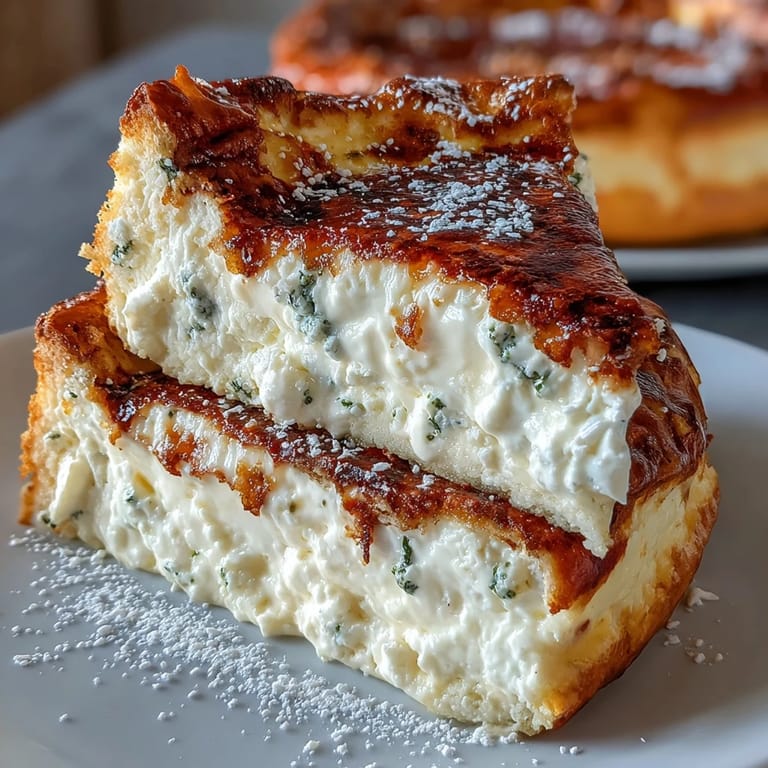
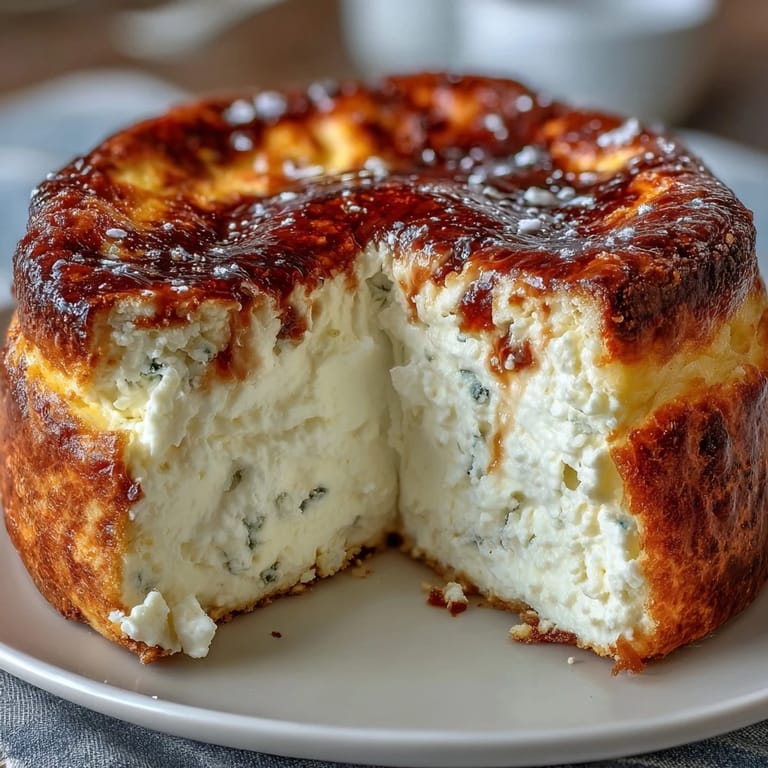
- Pour your filling into the pastry shell, smooth the top gently, and bake for 55 to 60 minutes until the filling is set but still has a slight wobble in the very center when you gently shake the pan. The edges will be lightly golden, and your kitchen will smell like a dream.
- Cool completely:
- Let the pie cool all the way to room temperature on a wire rack, then refrigerate for at least 2 hours before slicing. This isn't just about safety—the filling sets properly as it chills, making each slice clean and beautiful.
- Finish with elegance:
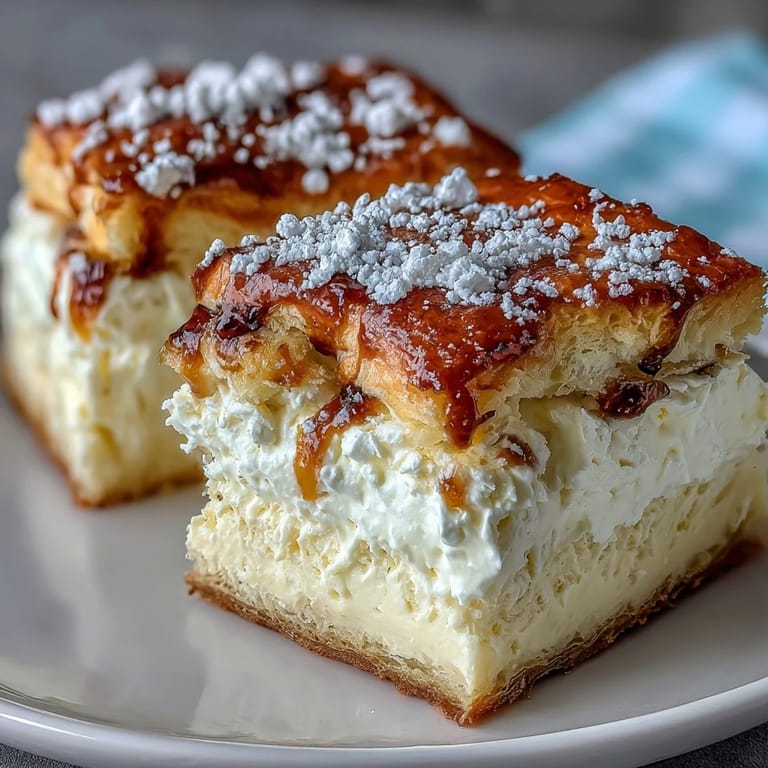
- Just before serving, dust the top with powdered sugar using a fine sieve so you get an even, snowy coat. This final step is what makes people take pictures before they eat.
 Pin it
 My sister brought her new boyfriend to Easter dinner last year, and he had three slices of this pie while barely touching anything else on the table. He later told her that growing up, his grandmother made something similar, and for the first time in years he felt close to those childhood memories he thought he'd lost. That's when I truly understood that food can be a bridge across time and families, and a simple ricotta pie can carry someone home.
The Art of Pastry Making
Making pastry from scratch intimidates a lot of people, but here's the truth: it's just flour, fat, and liquid, and understanding what each one does removes all the mystery. The flour provides structure, the cold butter creates flakiness through steam pockets, and the liquid brings it all together without making it tough. Once you grasp that simple relationship, you realize you've been overthinking it the whole time, and the next time you make pastry, your hands will know exactly what to do.
Lemon: The Star Ingredient
Lemon zest is where this recipe earns its magic, and there's a real difference between zesting with a regular grater and using a microplane. The microplane gives you those delicate, almost thread-like strands of zest that distribute evenly throughout the filling and release their oils as you whisk. A regular grater often produces larger pieces that can feel slightly bitter, so investing in a microplane is one of those small kitchen purchases that quietly changes your baking forever.
Serving and Storage Suggestions
This pie is best served cold or at room temperature, never hot, because the filling continues to set as it cools and becomes silkier than you'd expect. Store it covered in the refrigerator for up to three days, and it actually tastes slightly better the next day when all the flavors have had time to mingle and deepen. Fresh berries scattered on top add color and a tart contrast, or you can keep it elegantly simple with just the powdered sugar.
- The pie can be made one day ahead, covered with plastic wrap, which actually makes your Easter morning much less stressful.
- You can substitute orange zest for some of the lemon zest if you want a deeper, more complex citrus flavor that feels slightly more luxurious.
- If you accidentally overbake it and there's no wobble at all, don't worry—it will still be delicious, just slightly firmer in texture.
 Pin it
 This ricotta pie has become my go-to recipe when I want to give someone something that tastes like care and tradition without feeling precious or complicated. It's the kind of dessert that makes people slow down, taste carefully, and ask for seconds.
Recipe Questions & Answers
- → What is the best type of ricotta to use?
Use whole milk ricotta for a creamy texture and richer flavor. Well-drained ricotta prevents excess moisture in the filling.
- → Can I substitute the lemon zest with other citrus?
Yes, orange or lime zest can be used to vary the citrus flavor and add a unique twist to the filling.
- → How can I tell when the pie is fully baked?
The filling should be set with a slight wobble in the center and the top lightly golden without cracking.
- → Is chilling the pie before serving necessary?
Chilling helps the filling set firmly for clean slicing and enhances flavor melding.
- → Can this pie crust be made gluten-free?
Yes, substitute all-purpose flour with a gluten-free blend for a suitable crust alternative.
- → What garnishes complement this pie?
Fresh berries and a light dusting of powdered sugar add color and a subtle sweet finish.