 Pin it
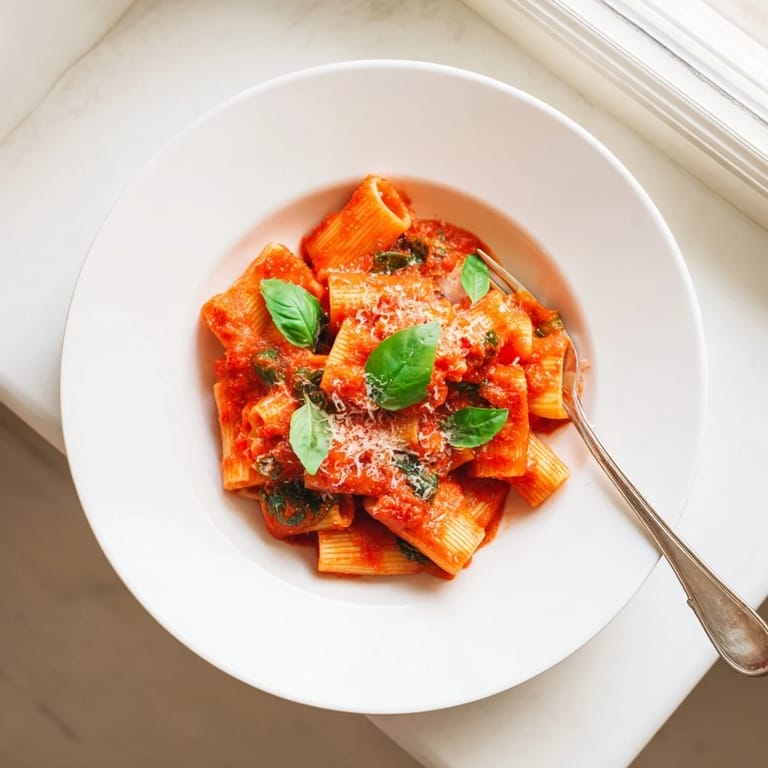
 The first time I made this hidden veggie pasta sauce, I was actually trying to win a dinnertime battle with my nephew, who declared vegetables his sworn enemy. I remember how he devoured three helpings of spaghetti, asking for more of the "super special sauce," while I exchanged secret smiles with my sister across the table. The rich, velvety texture masks the nutritional powerhouses lurking within, creating something that's both delicious conspiracy and culinary triumph.
Last autumn, during a weekend gathering at my lake house, I prepped this sauce while friends chatted around the kitchen island, glasses of wine in hand. Someone remarked how I must have spent hours on the sauce, given its complex flavor. We all laughed when I revealed it had taken just 45 minutes and contained three hidden vegetables. Two friends asked for the recipe before dinner was even finished, and now its become our unofficial reunion meal whenever we get together.
Ingredients
- Carrots, Zucchini, and Spinach: This vegetable trinity forms the nutritional backbone without announcing their presence, each bringing different vitamins while balancing flavors.
- Crushed Tomatoes: The quality of your tomatoes matters enormously here, as they provide the foundation flavor that everything else builds upon.
- Dried Herbs: I learned that adding dried herbs early in the cooking process allows their flavors to fully infuse the sauce, unlike fresh herbs which shine when added at the end.
- Optional Sugar: Just a tiny pinch can balance acidity without making the sauce sweet, especially if your tomatoes are particularly tangy.
Tired of Takeout? 🥡
Get 10 meals you can make faster than delivery arrives. Seriously.
One email. No spam. Unsubscribe anytime.
Instructions
- Build Your Flavor Base:
- Heat olive oil in a large saucepan over medium heat, then add onion and garlic, sautéing until they become translucent and fragrant, about 3 minutes. Youll know its ready when the kitchen starts to fill with that irresistible aroma that makes everyone wonder whats cooking.
- Layer in the Vegetables:
- Add chopped carrots and zucchini, cooking for 5-7 minutes until they begin to soften. These need a head start before the more delicate spinach joins the party.
- Wilt the Greens:
- Toss in the spinach and watch as it collapses into the mixture, usually taking just about 2 minutes. Its amazing how much volume it loses, going from a mountain to barely noticeable.
- Create the Sauce Base:
- Pour in crushed tomatoes and stir in tomato paste until everything is well combined. The tomato paste adds richness and depth that elevates this from just another tomato sauce.
- Season and Simmer:
- Add oregano, basil, salt, pepper, and that optional pinch of sugar, then bring everything to a gentle simmer. The low, slow bubbling is what coaxes all the flavors to meld together.
- Patient Cooking:
- Cover and let simmer on low heat for 20 minutes, stirring occasionally to prevent sticking. This is when kitchen magic happens, as the vegetables surrender completely to become part of something greater.
- The Transformation:
- Remove from heat and cool slightly before pureeing with an immersion blender until velvety smooth. Watch as the chunky, colorful mixture becomes a unified, rich sauce that reveals nothing of its vegetable-packed secret.
- Final Touches:
- Return to heat if needed, adjust seasonings to taste, and stir in Parmesan if desired for added depth. That final taste test is crucial—sometimes just a bit more salt or a fresh grind of pepper makes all the difference.
 Pin it
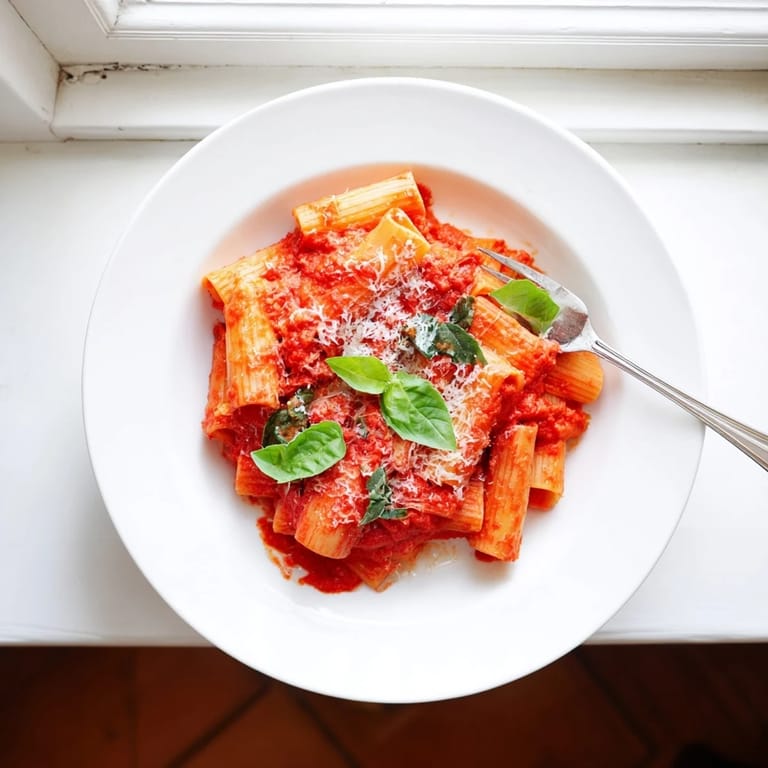
 When my friend Sarah was going through chemotherapy, she struggled to eat enough vegetables but needed their nutrition more than ever. I started bringing over batches of this sauce, which became one of the few things she could consistently enjoy during treatment. She told me later that having something delicious that also nourished her body gave her a small sense of control during a chaotic time. Now, years later and cancer-free, we still make this sauce together every cancer anniversary as a celebration.
Storage Solutions
I discovered the perfect meal prep hack with this sauce when I started freezing it in silicone ice cube trays. Once frozen, I pop the cubes into freezer bags, creating perfect single-portion blocks that thaw quickly. This method has saved countless weeknight dinners, allowing me to add fresh vegetable nutrition to everything from pasta to pizza in minutes. For family meals, freezing in pint containers works better, with each container holding enough for about four servings.
Versatility Beyond Pasta
While this sauce shines on pasta, its become my secret weapon in countless other dishes. One rainy Tuesday, with nothing but eggs and stale bread in the house, I created what my family now requests as fancy shakshuka by poaching eggs directly in the warmed sauce and serving it with toasted bread for dipping. The sauce also works brilliantly spread on pizza dough, stirred into risotto for instant color and flavor, or used as a poaching liquid for fish fillets when youre trying to impress dinner guests with minimal effort.
Customizing Your Blend
After making this sauce dozens of times, Ive found the recipe remarkably forgiving with substitutions based on whats available or in season. Sweet potatoes can replace carrots for a slightly sweeter profile, while bell peppers add a different dimension that pairs beautifully with Mexican-inspired meals. Red lentils make a protein-boosted version that thickens beautifully, though youll need to add about a quarter cup more liquid to compensate.
- For picky eaters who detect even the slightest green flavor, roasting the carrots and zucchini before adding them to the sauce creates a caramelized sweetness that masks their vegetable origins even further.
- A splash of balsamic vinegar added just before serving brightens the entire sauce and adds complexity that makes people think it simmered for hours.
- When serving to adults only, a pinch of red pepper flakes or a dab of harissa paste transforms this into a more sophisticated sauce with gentle heat.
 Pin it
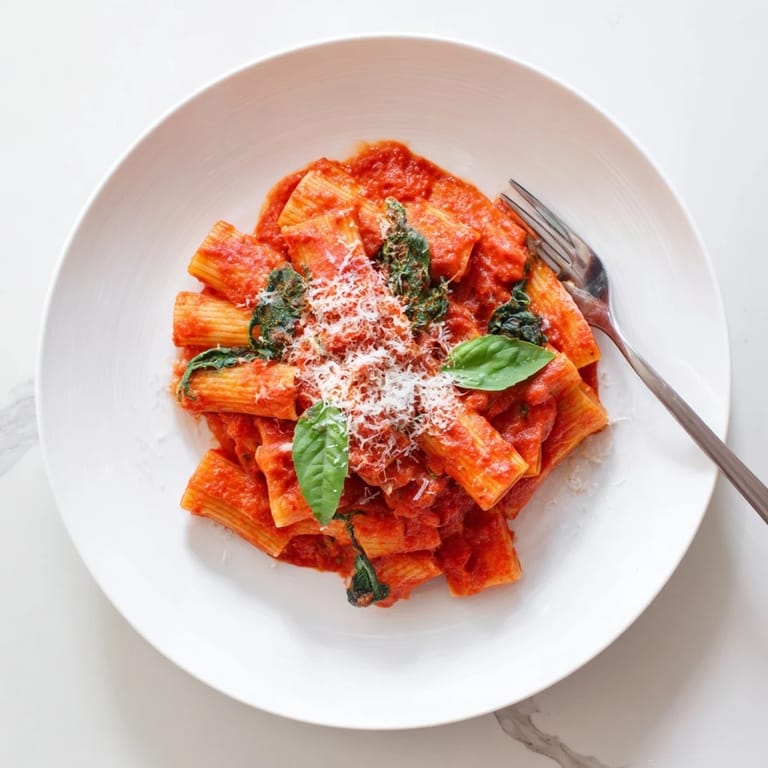
 This hidden veggie sauce reminds me that sometimes the most nourishing things in life come in disguise, whether its vegetables tucked into sauce or love tucked into a home-cooked meal. Every time someone enjoys this recipe without realizing its packed with goodness, I count it as a small victory for both flavor and well-being.
Recipe Questions & Answers
- → Can I use frozen vegetables instead of fresh?
Yes, frozen vegetables work well. Use thawed carrots, zucchini, and spinach. Reduce cooking time slightly since frozen vegetables are already partially cooked. The final texture and flavor will be comparable to fresh.
- → How do I achieve a smoother sauce consistency?
Simmer the sauce longer to soften vegetables completely before blending. For extra smoothness, blend in batches using a countertop blender rather than an immersion blender. Pass through a fine-mesh strainer if you prefer an ultra-silky texture.
- → What's the best way to store leftover sauce?
Cool completely, then transfer to airtight containers. Refrigerate for up to 5 days or freeze for up to 3 months. For convenient portions, freeze in ice cube trays, then store cubes in freezer bags. Thaw overnight in the refrigerator before reheating.
- → Can I make this dairy-free or vegan?
Absolutely. Simply omit the Parmesan cheese or use a plant-based alternative like nutritional yeast or vegan Parmesan. The sauce is naturally vegan without these additions. Skip the optional cream or butter, or use a plant-based substitute for creaminess.
- → What pasta shapes pair best with this sauce?
This smooth sauce clings well to long, thin pasta like spaghetti or linguine, as well as tube shapes like penne or rigatoni. Short pasta varieties like fusilli also work nicely. Avoid very delicate shapes that might break under the sauce's weight.
- → How can I adjust the flavor if it's too acidic?
Add a pinch of sugar or a teaspoon of honey to balance acidity. A splash of cream or a tablespoon of butter also neutralizes sharpness. Alternatively, simmer uncovered for 10 minutes to reduce acidity naturally.