 Pin it
 My mum has always had a thing for lemon cakes, so when Mother's Day rolled around last spring, I decided to stop buying from the bakery and make something myself. The kitchen filled with this bright, almost citrusy energy the moment I zested those lemons, and honestly, watching the batter transform from butter and sugar into something golden and alive felt like I was doing something quietly important. This cake—moist, tender, and impossibly zesty—became the thing I'd make every year after that, not just for celebrations but whenever someone needed a little brightness on their plate.
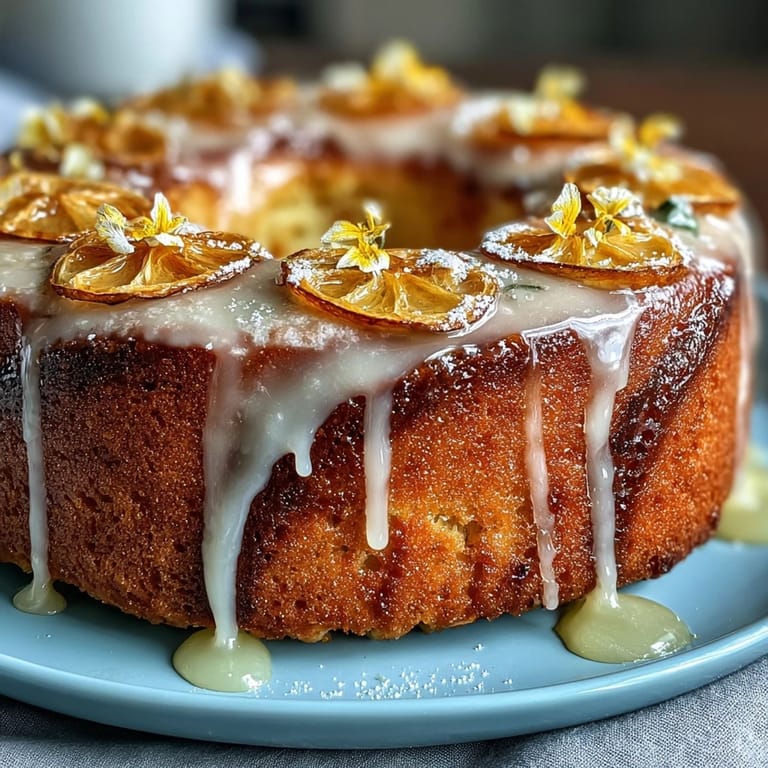
I made this for my colleague's birthday at work, and the way people's faces lit up when they saw the flowers on top—before they even tasted it—told me something. One person said it was almost too pretty to eat, which made me laugh because lemon cake is meant to be devoured, flowers and all. By the end of the day, there wasn't a crumb left, and someone asked for the recipe, which somehow felt like the highest compliment.
Ingredients
- Unsalted butter and caster sugar (225 g each): These are the foundation—the butter should be soft enough to blend smoothly, while the sugar granules break down to create that signature fluffy texture.
- Large eggs (4): Room temperature eggs blend more evenly and give the cake better lift; cold eggs can make the batter look grainy and split.
- Self-raising flour (225 g): This already has baking powder built in, which is why the cake rises so reliably without fussy measurements.
- Lemon zest (from 2 unwaxed lemons): The zest is where the real lemon flavor lives; it's bright and concentrated, so don't skimp or use the bottled stuff.
- Whole milk (2 tbsp): Just enough to loosen the batter slightly and keep the cake moist without making it dense.
- Salt (pinch): A tiny amount enhances the lemon flavor and balances the sweetness in ways people can't quite name.
- Lemon juice and icing sugar for the drizzle: Fresh lemon juice is non-negotiable here; it's what creates that glaze that clings to the warm cake.
- Edible flowers (assorted): Violas, pansies, nasturtiums, and rose petals all work beautifully; just make sure they're grown for eating, never from a florist.
Tired of Takeout? 🥡
Get 10 meals you can make faster than delivery arrives. Seriously.
One email. No spam. Unsubscribe anytime.
Instructions
- Set your oven and prep the tin:
- Preheat to 180°C (160°C fan) and line your loaf tin with parchment paper so the cake slides out without sticking. This step takes two minutes but saves you a broken cake later.
- Cream the butter and sugar:
- Beat them together for about 3 minutes until the mixture is pale, fluffy, and almost mousse-like—this is where air gets trapped, and that's what makes the cake light. You'll know it's ready when you lift the spoon and the mixture falls in soft ribbons.
- Add eggs one at a time:
- Drop in one egg, beat well until it disappears completely, then repeat. If you rush this and dump all four in at once, the batter can look curdled and split, which sounds scary but just means the cake will be a bit denser.
- Fold in the dry ingredients gently:
- Add the flour, lemon zest, milk, and salt all at once, then fold with a spatula using slow, deliberate motions—overworking develops gluten and makes the cake tough. Stop as soon as you don't see any white streaks of flour.
- Pour and bake:
- Slide the batter into the tin, smooth the top, and bake for 40 to 45 minutes until a skewer poked into the center comes out clean with maybe a few moist crumbs clinging to it. The kitchen will smell absolutely incredible by the end.
- Make the drizzle while the cake bakes:
- Whisk the lemon juice and icing sugar together in a small bowl—it should be the consistency of loose honey, pourable but not watery. If it's too thick, add another squeeze of lemon juice.
- Poke and drizzle while warm:
- Once the cake comes out of the oven, use a skewer to poke holes all over the top, then slowly pour the drizzle over so it soaks in rather than pooling on the surface. This is where the magic happens—the warm cake drinks in that sharp, sweet glaze.
- Cool and decorate:
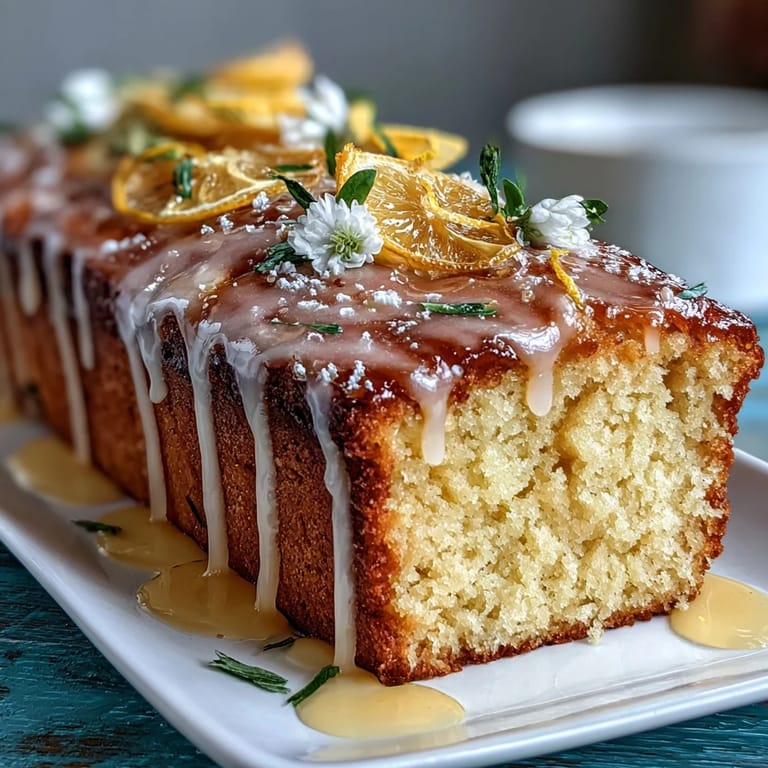
- Let the cake cool completely in the tin before turning it out onto a serving plate, then add a light dusting of icing sugar and arrange the edible flowers just before serving so they stay fresh-looking. The flowers are purely for beauty here, so have fun with the arrangement.
 Pin it
 There's something about serving a cake with flowers on top that makes people pause before diving in, and that moment of hesitation—when they look at it and smile—is worth every step. It turned an ordinary Sunday afternoon into something memorable, and that's really what good food does.
Why Lemons Work So Well in Cake
Lemon is bright and sharp, which sounds like it might clash with sweetness, but it actually balances it perfectly. The zest adds an oil-based flavor that feels luxurious, while the juice adds tang that makes every bite feel fresh rather than cloying. I learned this the hard way by making a lemon cake without enough zest once, and it tasted vaguely lemony instead of absolutely lemony—the difference between a good cake and one that makes people close their eyes.
The Secret of the Soaking Drizzle
Most cakes get frosting slathered on top after they've cooled completely, which sits there doing its own thing. But the drizzle on this cake works because it goes on while the cake is still warm and porous, so it actually soaks in rather than staying as a separate layer. The result feels more integrated, more tender, more like the lemon flavor is baked into every bite rather than painted on top.
Edible Flowers and How to Use Them
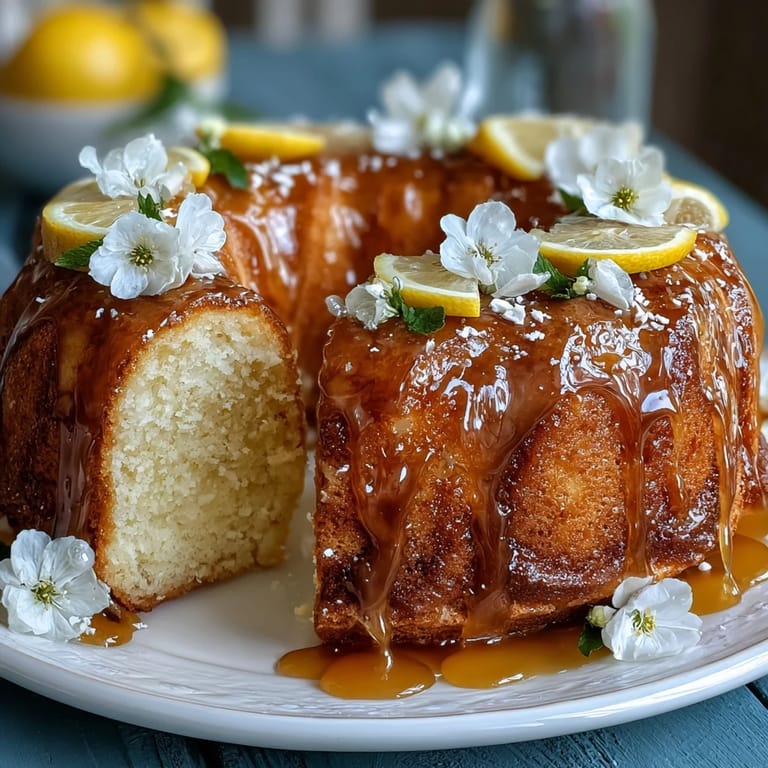
Edible flowers aren't just decoration—they add a whisper of flavor and a moment of visual surprise that changes how people experience the cake. Nasturtiums have a peppery bite, pansies taste faintly grassy, and rose petals add a delicate floral note that shouldn't work but absolutely does. Keep them off the cake until the last minute before serving so they stay vibrant and crisp rather than wilting into the moisture.
- Source flowers from a reputable grower or specialty food shop, never from a regular florist who treats them with pesticides.
- Pat them dry gently with a soft cloth before arranging so they don't bring excess moisture onto the cake.
- Arrange them casually across the top rather than in perfect symmetry—it looks more natural and feels more like you didn't overthink it.
 Pin it
 This cake has taught me that the best recipes are the ones you make again and again until they become muscle memory, until you don't need to check the measurements because your hands already know what they're doing. That's when a recipe stops being instructions and starts being something you own.
Recipe Questions & Answers
- → How do I ensure the drizzle soaks well into the cake?
After baking, poke holes over the warm cake with a skewer and slowly pour the lemon drizzle to allow it to seep evenly into the crumb.
- → Can I substitute self-raising flour for gluten-free flour?
Yes, use a gluten-free flour blend with 1 tsp baking powder to maintain the cake's rise and texture.
- → What types of edible flowers are safe for decoration?
Violas, pansies, nasturtiums, and rose petals are commonly used, but always ensure they are pesticide-free and safe for consumption.
- → How to get a moist and fluffy crumb in this lemon cake?
Cream unsalted butter and caster sugar well before adding eggs, then fold in flour carefully to avoid overmixing, preserving airiness.
- → What serving suggestions complement this lemon cake?
Serve with a dollop of whipped cream or crème fraîche to balance the zesty drizzle and add richness.