 Pin it
 My grandmother's cast-iron skillet hung on her kitchen wall like a trophy, and the day she finally let me make cornbread in it, I understood why. The butter hit that preheated pan with a sizzle that meant business, and when I poured in that golden batter, something clicked inside me about why Southerners treat cornbread like it's sacred. That skillet hasn't left my kitchen since.
I made this cornbread for my friend Marcus when he came over swearing he couldn't eat anything without it tasting like cardboard. He was on some strict diet thing, and I figured cornbread didn't count. He took one bite with that honey butter still melting across the top, closed his eyes, and said nothing for like thirty seconds. Then he asked for the recipe. I've never seen dietary restrictions disappear so fast.
Ingredients
- Yellow cornmeal: This is the star that gives cornbread its signature crumbly texture and subtle corn flavor; don't skip it or substitute cornstarch, which won't give you that same bite.
- All-purpose flour: Balances the cornmeal so the bread holds together without becoming dense or gummy.
- Granulated sugar: Just enough to highlight the corn's natural sweetness without making this dessert territory.
- Baking powder and baking soda: Work together to lift the batter so you get that tender crumb, not a brick.
- Whole milk or buttermilk: Buttermilk adds tang and actual richness if you want to go that route, but whole milk keeps things classic and foolproof.
- Eggs: They bind everything and add structure while keeping things moist.
- Melted butter and vegetable oil: The combination creates moisture and flavor, plus the oil keeps it from drying out as it sits.
- Honey butter: This is where magic happens, so don't skimp on real butter and real honey.
Tired of Takeout? 🥡
Get 10 meals you can make faster than delivery arrives. Seriously.
One email. No spam. Unsubscribe anytime.
Instructions
- Heat your skillet like you mean it:
- Get that cast-iron into a 425°F oven while you mix everything. A screaming hot skillet is non-negotiable for crispy edges. This takes about 10 minutes, so start it first thing.
- Combine your dry team:
- Whisk cornmeal, flour, sugar, baking powder, baking soda, and salt in a large bowl, making sure there are no lumps hiding at the bottom. This prep work takes maybe two minutes and saves you from gritty cornbread.
- Mix your wet ingredients separately:
- In another bowl, whisk milk, eggs, melted butter, and oil until they're happy together. This is crucial because it lets you fold everything together gently instead of overworking the batter.
- Bring wet and dry together gently:
- Pour the wet mixture into the dry ingredients and stir just until you see no dry flour streaks. Overmixing activates the gluten and makes cornbread tough, so stop yourself even if it looks a little rustic.
- Butter that hot skillet:
- Pull out the screaming hot skillet, add 2 tablespoons butter, and swirl it around to coat every inch. The butter will foam and smell incredible, which is your signal that it's ready.
- Pour and bake:
- Carefully pour the batter into your buttered skillet, smooth the top gently, and slide it into the oven. Bake for 20 to 25 minutes until the top is golden and a toothpick inserted in the center comes out clean.
- Make honey butter while it bakes:
- Beat softened butter with honey and a tiny pinch of salt until it's fluffy and spreadable. This takes about three minutes and tastes like you planned something special.
- Cool just enough to handle:
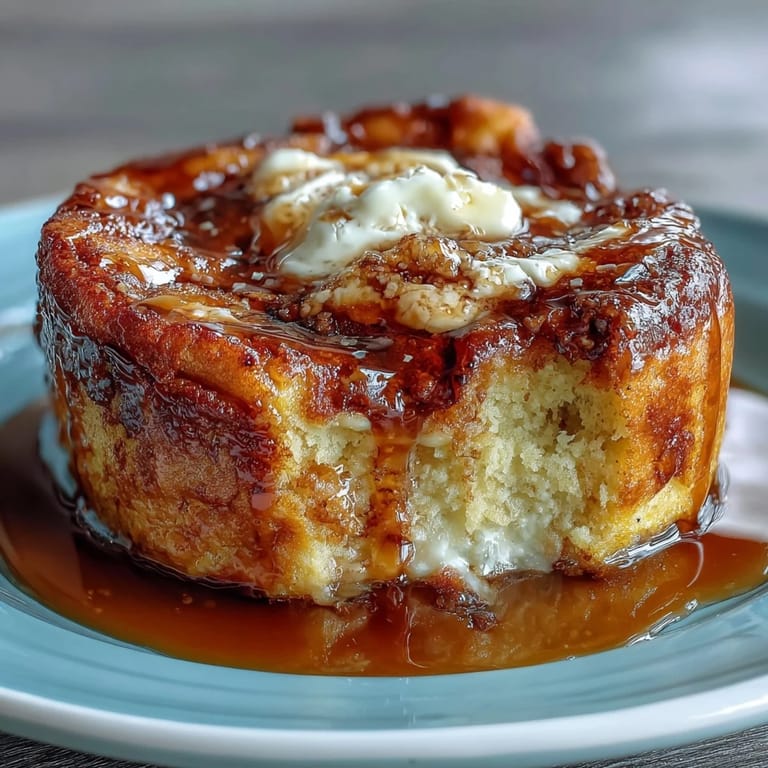
- Let the cornbread rest for 5 to 10 minutes so it firms up enough to slice without falling apart. Serve it warm with that honey butter melting into every crumb.
 Pin it
 There was a moment during a thunderstorm when the power went out and I pulled that warm cornbread from the oven just as the lights died. We ate it in candlelight with the honey butter, and my kids forgot they were scared. That's when I realized this recipe isn't about impressing anyone; it's about creating those small moments that stick with people.
Why Cast-Iron Skillet Matters
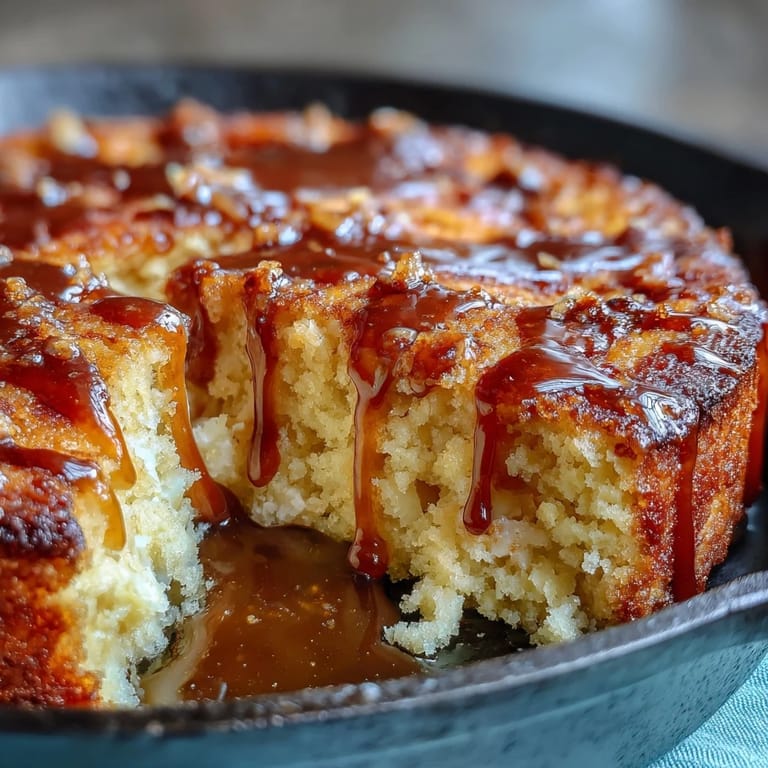
A cast-iron skillet distributes heat so evenly that you get golden, crispy edges while the center stays tender. The seasoned surface also adds a subtle flavor that no regular pan can give you. Plus, the skillet goes straight to the table, which feels more impressive than plating it normally would.
Building Flavor Through Simplicity
This cornbread succeeds because it doesn't try too hard. The ratio of cornmeal to flour is perfectly balanced, the sugar is just enough to enhance without announcing itself, and those eggs create structure without toughness. When you taste it, you taste corn first, richness second, and satisfaction all the way through.
Variations That Actually Work
The beauty of this recipe is that it takes variations beautifully. Add corn kernels for texture, sharp cheddar for depth, or jalapeños if you want heat that doesn't overpower. I've even seen people brush the top with honey mixed with a touch of cayenne right before serving, which creates this unexpected sweet-spicy finish.
- Fresh corn kernels add sweetness and a tender bite that frozen corn can't quite match.
- Aged cheddar works better than mild because it won't disappear into the batter.
- If you go the jalapeño route, seed them for heat control and slice thin so they cook through evenly.
 Pin it
 This cornbread has fed my family through countless Sunday dinners, and every time someone asks for seconds, I feel like I've done something right. Make it your own, serve it warm, and watch people remember why they love sitting down to eat.
Recipe Questions & Answers
- → What makes cast-iron skillet ideal for baking cornbread?
Cast-iron retains and evenly distributes heat, promoting a crispy crust while keeping the inside moist and tender.
- → Can I use buttermilk instead of whole milk?
Yes, buttermilk adds a tangy richness and helps create an even lighter, fluffier texture.
- → How should the honey butter be prepared for best flavor?
Soften butter at room temperature before whipping it gently with honey and a pinch of salt to create a smooth, fluffy spread.
- → Is it important not to overmix the batter?
Yes, overmixing can develop gluten and result in a denser texture; mix just until combined to keep it tender.
- → What variations can enhance the cornbread?
Adding corn kernels, shredded cheddar, or jalapeños introduces extra texture and flavors that complement the original.