 Pin it
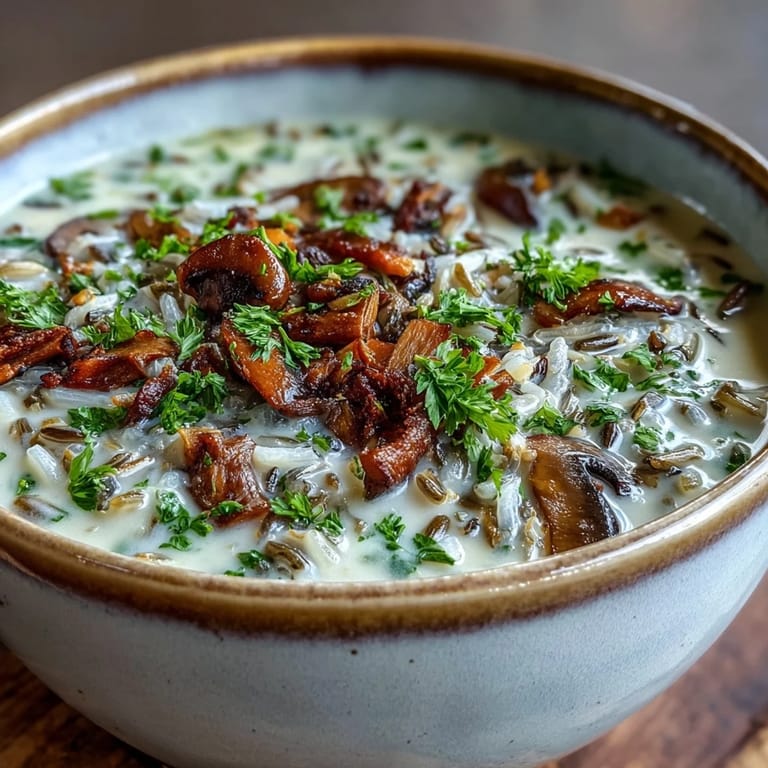
 There's something about the smell of wild mushrooms hitting hot oil that stops me mid-afternoon. Years ago, I was at the farmers market on a gray October Saturday when a vendor handed me a brown paper bag of mixed mushrooms—cremini, shiitake, oyster—and casually mentioned they'd make a killer soup. I drove home thinking about it the entire way, pulled out a pot, and never looked back. This wild rice mushroom soup became my answer to nearly everything: a quiet Sunday, unexpected guests, or just needing to feel like I'd done something right in the kitchen.
My neighbor once brought a bowl of this soup to my door when I was sick, and I remember thinking how the steam rising from the ladle felt like someone had actually cared enough to spend time on me. That's when I understood this soup isn't really about the ingredients at all—it's about how it makes people feel warm and seen. Now I make it for friends constantly, and they always ask for the recipe, then tell me later that theirs didn't taste the same.
Ingredients
- Olive oil: This is your foundation—it should smell green and alive, never rancid, so don't use the cheap stuff you've had open for two years.
- Yellow onion, celery, and carrots: These three together build the flavor bed before everything else arrives; don't rush the softening or you'll lose that sweetness.
- Garlic cloves: Mince them fine so they melt into the broth instead of leaving chunks that surprise you mid-spoon.
- Fresh thyme and rosemary: Fresh is genuinely better here, but dried works if that's what you have—just use half the amount since dried herbs concentrate their flavor.
- Bay leaf: It seems small, but remove it before serving or someone will find it and remember you forever for the wrong reason.
- Fresh parsley: Keep some raw for garnish; it adds a brightness that cooked parsley can't do.
- Mixed wild mushrooms: Look for a variety—the cremini give earthiness, shiitake bring umami, oyster add a delicate chew—and never wash them under running water, just brush them clean with a damp towel.
- Wild rice: Rinse it first or it clouds your broth, and don't use quick-cooking rice because it falls apart and you'll end up with mush instead of soup.
- Vegetable broth: Quality matters more than you'd think; a thin broth makes a thin soup, so taste yours before you commit.
- Heavy cream: Pour it in slowly at the end and let it warm gently so it doesn't seize up on you.
- All-purpose flour: This thickens the soup naturally; sprinkle it over the vegetables and stir well or you'll get lumps that ruin the whole thing.
- Soy sauce: A tablespoon rounds out the umami and deepens everything without making it taste salty.
Tired of Takeout? 🥡
Get 10 meals you can make faster than delivery arrives. Seriously.
One email. No spam. Unsubscribe anytime.
Instructions
- Build your flavor base:
- Heat olive oil in a large pot over medium heat, then add onion, celery, and carrots. Let them soften for 6 to 8 minutes, stirring occasionally—you're listening for them to lose their raw snap and start turning translucent at the edges.
- Wake up the herbs:
- Add garlic, thyme, rosemary, and a bay leaf, then cook for just 1 minute. The smell will tell you when it's right—you'll know.
- Coax out the mushroom magic:
- Stir in your mushrooms and let them cook for 6 to 8 minutes, stirring now and then so they release their liquid and begin to soften and darken. You'll see their liquid pool at the bottom, then slowly evaporate as they give everything up to the pot.
- Create your thickener:
- Sprinkle flour over the mushroom mixture and stir well, coating everything evenly. Cook for 1 to 2 minutes—don't skip this step because it cooks out the raw flour taste and helps the soup thicken.
- Build the broth:
- Pour in your vegetable broth slowly while stirring constantly, making sure no lumps form. This is where patience actually changes the outcome.
- Let the rice cook through:
- Add wild rice and soy sauce, bring the whole thing to a boil, then lower the heat and cover it. Simmer for 40 to 45 minutes, stirring occasionally, until the rice is tender and has opened up—it should look almost popped.
- Finish with cream and freshness:
- Remove the bay leaf, then stir in cream and parsley. Let it simmer uncovered for 2 to 3 minutes just to warm through; don't let it boil hard or the cream will separate.
- Taste and adjust:
- Season with salt and black pepper, then taste it. If it's too thick, thin it with more broth; if it needs body, add another splash of cream.
- Serve with intention:
- Ladle into bowls, garnish with fresh parsley, and hand it to someone who needs it.
 Pin it
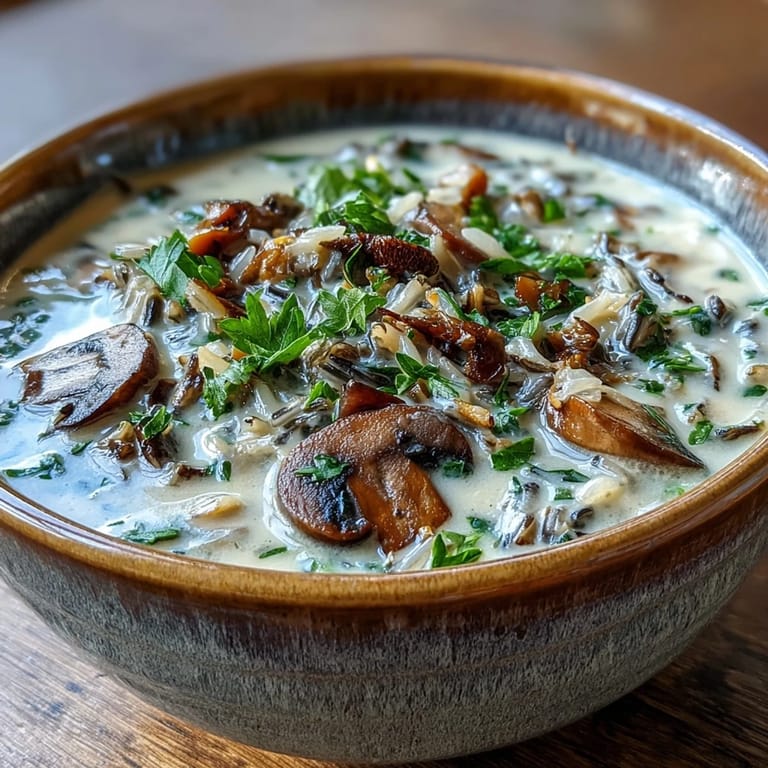
 I made this soup on the first cold day of last November, and my whole apartment smelled like a forest floor—in the best way. My partner came home from work, sniffed the air, and said nothing, just sat down at the table. We didn't talk much, just ate soup and listened to the rain, and that's when I realized this dish has given me some of my favorite quiet moments.
The Wild Rice Factor
Wild rice is an underrated ingredient that people often overlook, but it's what separates this soup from a hundred others. It takes time to cook—patience is non-negotiable—but that's exactly why it works. The grains become tender and slightly chewy, almost nutty, and they absorb all the flavors swimming around them. Stir occasionally as it cooks so it doesn't settle at the bottom and scorch, and if you taste a grain and it's still hard inside, give it more time.
Mushroom Selection and Preparation
The variety you choose truly shapes the final flavor, so think about it like casting a play. Cremini mushrooms are reliable, earthy understudies; shiitake bring serious umami and a meaty texture; oyster mushrooms add delicacy and a subtle sweetness. Don't buy them all pre-sliced because you lose flavor control—slice them yourself so you decide the thickness. Clean them gently with a damp cloth or soft brush rather than washing them, because they're porous and absorb water like tiny sponges, which waters down your soup.
Why This Soup Gets Better the Next Day
There's real magic in reheating this soup the day after you make it. The flavors marry overnight, the broth deepens, and everything tastes more like itself. Store it in an airtight container in the refrigerator for up to four days, and when you reheat it, do so gently over medium-low heat so the cream doesn't separate. I've found that leftover soup on a Monday morning—eaten cold straight from the container while standing in the kitchen—tastes like a small act of self-love you performed for yourself the day before.
- Taste before you reheat because the rice may have absorbed more broth overnight and you might need to add extra.
- A splash of fresh cream stirred in during reheating brings back the richness that can fade over time.
- If you're feeding someone else's leftovers to them, tell them to reheat gently—aggressive heat is the enemy of cream-based soups.
 Pin it
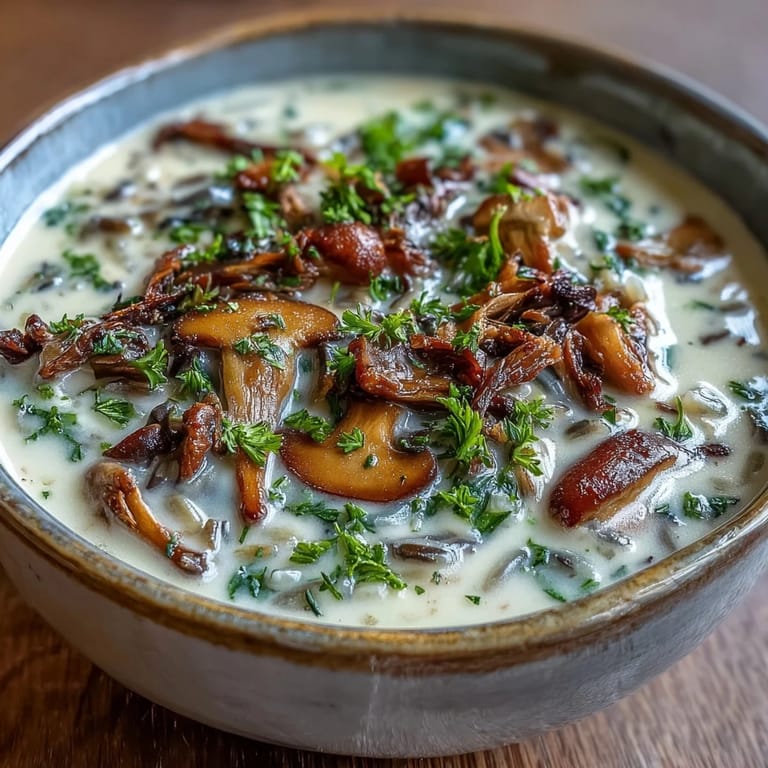
 This soup has lived in my rotation for so long that I barely need to think about it—my hands know the steps, and my nose knows when it's ready. I hope it becomes something like that for you too.
Recipe Questions & Answers
- → Can I make this soup vegan?
Yes, simply substitute the heavy cream with plant-based alternatives like cashew cream or coconut cream. The flavor remains rich and satisfying.
- → How long does wild rice take to cook?
Wild rice typically requires 40-45 minutes of simmering to become tender. It retains a pleasant chewy texture even when fully cooked.
- → What mushrooms work best?
Mixed wild mushrooms like cremini, shiitake, and oyster create the most depth. Button mushrooms can be used but will yield a milder flavor.
- → Can I freeze this soup?
The soup freezes well for up to 3 months. For best results, freeze before adding the cream, then stir in fresh cream when reheating.
- → How can I make it thicker?
Add more flour when coating the vegetables, or simmer longer to reduce the liquid. Mashing some of the rice and vegetables also creates a thicker consistency.
- → What can I serve with it?
Crusty bread, crackers, or a simple green salad complement this soup beautifully. It's substantial enough to be a complete meal on its own.