 Pin it
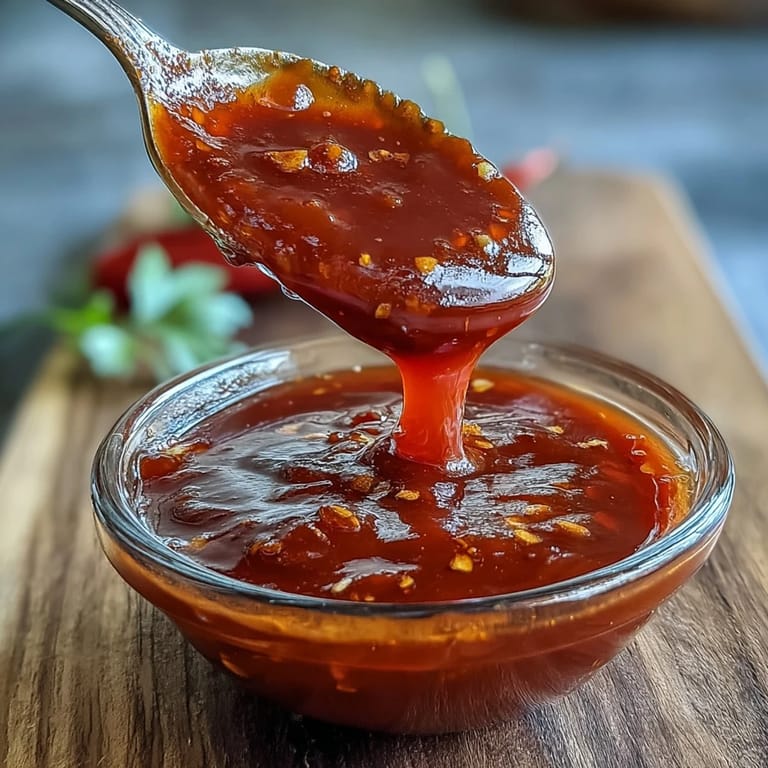
 Homemade Fermented Hot Sauce is a celebration of bold flavor and kitchen tradition. With just a handful of fresh peppers, garlic, and a week of patience, you'll unlock a tangy, spicy condiment that's as lively and nuanced as any artisan bottle. Fermentation tames the fire of chilies and coaxes out layers of umami, making this hot sauce not only vibrant but also probiotic-rich. Get ready to savor heat and complexity in every drip.
Pin it Whether you’re new to fermenting or a seasoned DIYer, this recipe transforms humble chilies and vegetables into a fiery sauce worthy of any table. Try it as a finishing splash on tacos, eggs, roasted vegetables, or even swirled into creamy dips. The hands-on work is minimal; the real magic happens as your bubbling jar quietly does its work over a week.
Ingredients
Tired of Takeout? 🥡
Get 10 meals you can make faster than delivery arrives. Seriously.
One email. No spam. Unsubscribe anytime.
- Peppers
- 300 g (about 10 oz) fresh red chili peppers (e.g., Fresno, jalapeño, serrano, or a mix), stems removed
- 1 small red bell pepper, stems and seeds removed (for sweetness and volume)
- Vegetables & Aromatics
- 4 garlic cloves, peeled
- 1 small shallot or ½ small onion, peeled
- 1 medium carrot, peeled and sliced (optional, for sweetness and body)
- Brine
- 500 ml (2 cups) filtered water
- 15 g (1 tbsp) non-iodized salt (sea salt or kosher salt)
- Finishing
- 2 tbsp apple cider vinegar or distilled white vinegar
Instructions
- 1. Prepare the brine
- Dissolve salt in filtered water. Set aside.
- 2. Chop vegetables
- Roughly chop the chili peppers, bell pepper, carrot, garlic, and shallot/onion.
- 3. Fill the jar
- Place all vegetables and aromatics in a clean 1-liter (quart-sized) glass jar.
- 4. Add brine
- Pour the brine over the vegetables until fully submerged. Weigh the vegetables down with a fermentation weight or a small zip-top bag filled with brine to keep them under the liquid.
- 5. Cover jar
- Cover the jar with a lid fitted loosely or use a fermentation airlock to allow gases to escape.
- 6. Ferment
- Place the jar in a cool, dark spot (18–22°C / 65–72°F) for 7 days. Check daily to ensure vegetables remain submerged and skim off any surface mold or scum.
- 7. Blend
- After 7 days, transfer the contents (including brine) to a blender. Add the vinegar and blend until smooth. For a thinner sauce, add more brine or vinegar to reach desired consistency.
- 8. Strain (optional)
- Strain the sauce through a fine-mesh sieve for a smooth texture, or leave it rustic if preferred.
- 9. Bottle and store
- Pour into a sterilized bottle or jar. Store in the refrigerator for up to 3 months.
Zusatztipps für die Zubereitung
For extra heat, include some habanero or Thai chilies. Add spices such as black peppercorns or coriander seeds to the brine for added complexity. Substitute apple cider vinegar with rice vinegar for a milder tang. The sauce’s flavor will continue to evolve in the fridge.
Varianten und Anpassungen
You can play with the pepper varieties to tweak the heat and color. Omit the carrot for a sharper flavor, or add a few extra cloves of garlic for pungency. For an even smoother texture, strain thoroughly or try blending with a bit of additional vinegar. Adjust the thickness by adding more brine after blending as desired.
Serviervorschläge
Drizzle this hot sauce over tacos, eggs, grain bowls, grilled veggies, or roasted potatoes. Mix it into mayo for a spicy spread, swirl into soups for a bright kick, or layer onto avocado toast. Its complexity shines in any dish in need of a fiery punch.
 Pin it
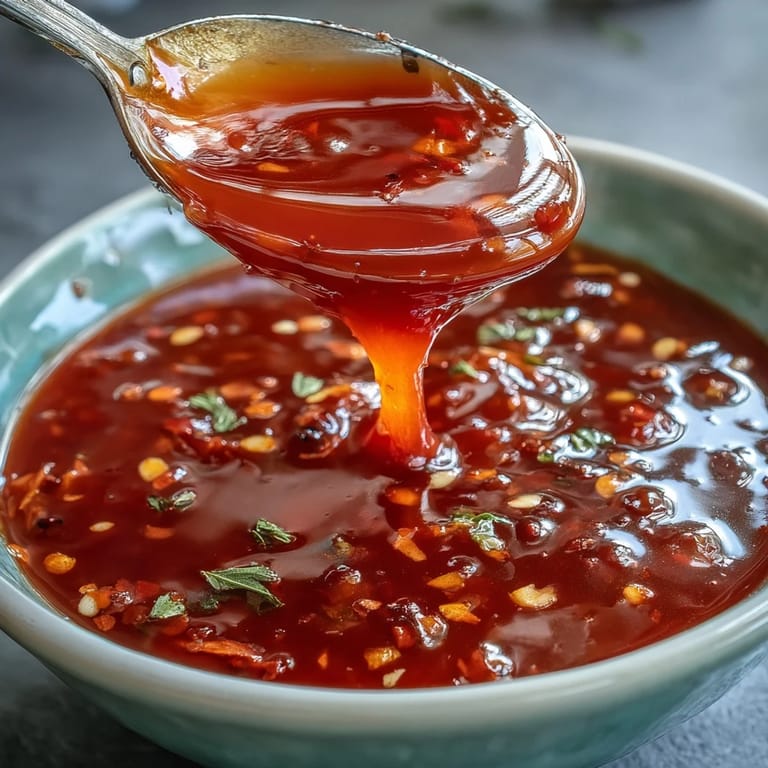
 Homemade fermented hot sauce brings the excitement of fermentation to your home kitchen, rewarding you with depth of flavor that only a week of patience can deliver. Whether you like it fiery or mild, this versatile condiment will become your go-to splash for countless meals. Enjoy the process, and let your creativity inspire future batches!
Recipe Questions & Answers
- → How long should the ferment rest?
A week at a cool room temperature (about 18–22°C) typically develops bright lactic tang and complexity; longer ferments yield deeper sourness and funk.
- → What salt concentration is best?
Use roughly a 2% salt brine by weight (about 1 tbsp of non-iodized salt to 500 ml water for this volume) to encourage safe lacto-fermentation and pleasant flavor.
- → Can I change the pepper mix?
Yes. Mix Fresnos, jalapeños, serranos or add habanero/Thai chilies for more heat. Include a red bell pepper or carrot to balance heat with sweetness.
- → How do I prevent mold during fermentation?
Keep all solids fully submerged under the brine using a fermentation weight or a zip-top bag of brine; skim any white scum promptly and use clean equipment and jars.
- → Should I strain the sauce?
Straining through a fine-mesh sieve yields a smooth pourable sauce; leave it unstrained for a rustic texture and more body if you prefer.
- → How should I store the finished sauce and how long does it last?
Transfer to a sterilized bottle and refrigerate. The sauce keeps about 3 months in the fridge and will continue to mellow and develop flavor over time.