 Pin it
 The kitchen was too warm that evening, windows fogged from boiling water, and I was racing the clock before my roommate got home. I'd promised dinner but forgotten to defrost anything, so I stood staring into the fridge hoping inspiration would arrive. A tub of ricotta, half a lemon, and a box of spaghetti later, I had something that tasted like I'd planned it all along. She walked in, dropped her bag, and said it smelled like an Italian cafe, which made me feel like a magician instead of someone who'd just improvised under pressure.
I made this again a few weeks later for a friend going through a breakup, the kind where you just need comfort but not something that sits like a rock. We ate it on the couch with a bottle of white wine, and she said it tasted like hope, which I thought was overdramatic until I realized she was right. Food that feels light but satisfying has a way of lifting you without asking too much in return.
Ingredients
- Spaghetti: The long strands hold onto the creamy sauce better than short shapes, and cooking it just to al dente means it finishes absorbing flavor when you toss it with the ricotta.
- Ricotta cheese: Whole-milk ricotta is worth it here, it melts into the pasta water to create something silky instead of grainy, and the richness balances the bright lemon perfectly.
- Lemon: Zest it first before juicing so you don't wrestle with a slippery wet lemon, and use a microplane to get those tiny flecks of peel that burst with oil and fragrance.
- Parmesan cheese: Freshly grated makes all the difference, the pre-shredded stuff doesn't melt the same way and can taste dusty instead of nutty and sharp.
- Olive oil: A good extra-virgin olive oil adds a peppery note that plays well with the lemon, don't skimp here since it's one of the few fats carrying flavor through the dish.
- Garlic: Just one small clove grated on a microplane distributes evenly without overpowering the delicate lemon and ricotta.
- Fresh herbs: Basil feels summery and sweet, parsley is brighter and more neutral, either one adds a pop of green that makes the plate look alive.
Tired of Takeout? 🥡
Get 10 meals you can make faster than delivery arrives. Seriously.
One email. No spam. Unsubscribe anytime.
Instructions
- Boil the pasta:
- Salt the water generously, it should taste like the sea, because this is your only chance to season the noodles from the inside. Reserve some pasta water before draining, that starchy liquid is what turns the ricotta into a real sauce instead of clumps.
- Make the ricotta-lemon mixture:
- Whisk everything together in a big bowl while the pasta cooks, the lemon juice will loosen the ricotta and the Parmesan adds saltiness and body. It should look smooth and pale yellow, almost like a thick cream.
- Toss the pasta:
- Add the hot drained spaghetti directly to the bowl and toss with tongs, letting the heat of the noodles melt everything together. Splash in pasta water a little at a time until the sauce clings to each strand without pooling at the bottom.
- Garnish and serve:
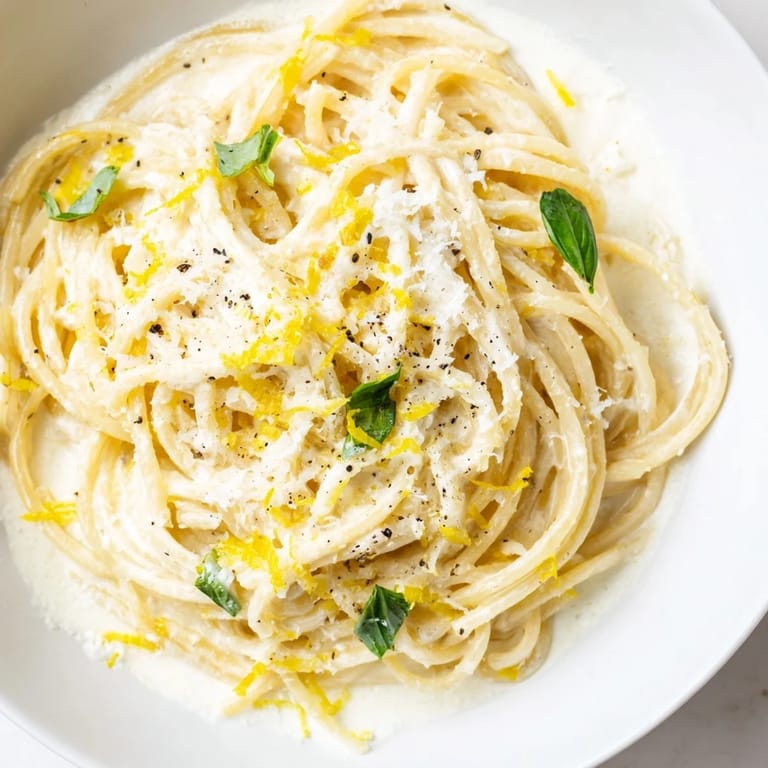
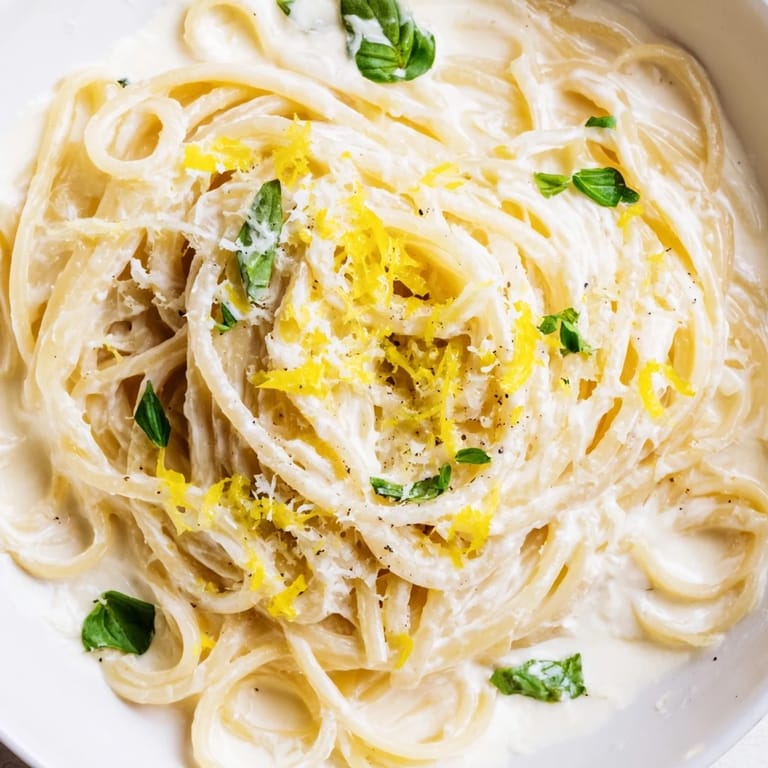
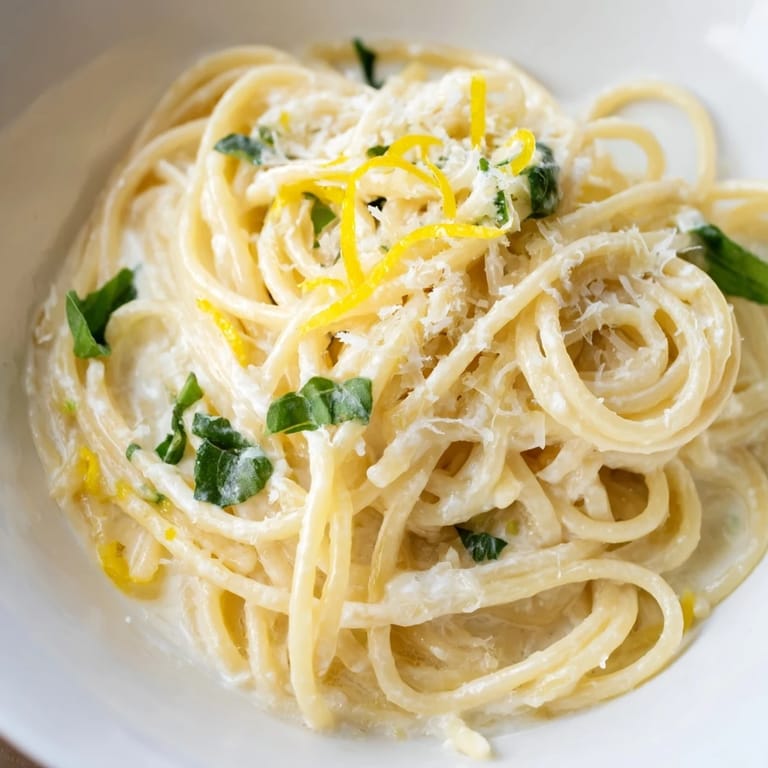
- Divide into bowls and finish with extra Parmesan, fresh herbs, more lemon zest, and black pepper. Serve it right away while it's hot and creamy, because it thickens as it cools.
 Pin it
 One spring evening I made this on the back porch with the door open, and the smell of lemon drifted out into the yard where my neighbor was gardening. She came over with a handful of basil from her plot and we swapped herbs for a bowl of pasta, and I realized that recipes like this one are made for sharing, not because they're fancy, but because they're easy to love.
What to Add for More Flavor
A handful of sauteed spinach or blanched asparagus stirred in at the end adds color and a bit of earthy sweetness that complements the lemon. Peas work too, especially frozen ones thrown in during the last minute of boiling, they stay bright green and pop against the creamy white sauce. If you want richness, a spoonful of mascarpone or a splash of heavy cream makes the sauce taste almost decadent without losing that bright lemony edge.
How to Store and Reheat
Leftovers keep in the fridge for up to two days, but the sauce thickens and clings tighter to the noodles as it sits. Reheat gently in a skillet with a splash of water or milk, stirring over low heat until it loosens back up, because the microwave can make the ricotta separate and turn grainy. It won't be quite as silky as the first day, but it still tastes good, especially with a squeeze of fresh lemon juice to wake it back up.
Pairing and Serving Suggestions
This pasta feels light enough to serve as a main course with just a simple green salad dressed in olive oil and vinegar. A crisp white wine like Sauvignon Blanc or Pinot Grigio cuts through the richness and echoes the citrus notes, making the whole meal feel bright and balanced. If you want to stretch it for a dinner party, serve it as a first course before something heartier, it sets a cheerful tone without filling anyone up too much.
- Add a handful of toasted pine nuts or slivered almonds for crunch and a nutty richness.
- Swap the basil for mint if you want something unexpected and a little more floral.
- Finish with a drizzle of your best olive oil right before serving, it adds a glossy sheen and one more layer of flavor.
 Pin it
 This is the kind of recipe I keep coming back to when I need something that feels like a small celebration without any fuss. It reminds me that good food doesn't have to be complicated, just honest and full of flavor.
Recipe Questions & Answers
- → Can I make this ahead of time?
This dish is best served immediately after tossing. However, you can prepare the ricotta-lemon sauce up to 2 hours ahead and refrigerate it. Cook the pasta just before serving and combine them fresh for optimal texture and flavor.
- → What type of ricotta works best?
Whole-milk ricotta creates the creamiest sauce. If using low-fat ricotta, add a splash of heavy cream or mascarpone to achieve a luxurious consistency. Avoid ricotta that's too dry or grainy for the smoothest results.
- → How do I prevent the sauce from breaking?
Keep the pasta hot when combining it with the sauce, and add reserved pasta water gradually while tossing gently. The starch in the pasta water helps emulsify the sauce and prevents separation. Stir continuously until the sauce coats the noodles.
- → What can I substitute for fresh lemon?
Fresh lemon is essential for the signature brightness. If unavailable, use quality bottled lemon juice, though fresh is strongly recommended. Alternatively, explore other citrus like Meyer lemons for a slightly sweeter variation.
- → Is this suitable for dietary restrictions?
This vegetarian pasta is naturally dairy-free adaptable—use dairy-free ricotta alternatives and nutritional yeast instead of Parmesan. For gluten-free, substitute regular spaghetti with gluten-free pasta. Always check cheese labels if you follow strict dietary guidelines.
- → What vegetables pair well with this dish?
Sautéed spinach, fresh peas, or tender asparagus complement this pasta beautifully. Add them during the final tossing stage. Cherry tomatoes, roasted zucchini, or caramelized garlic also work wonderfully for extra color and nutrition.