 Pin it
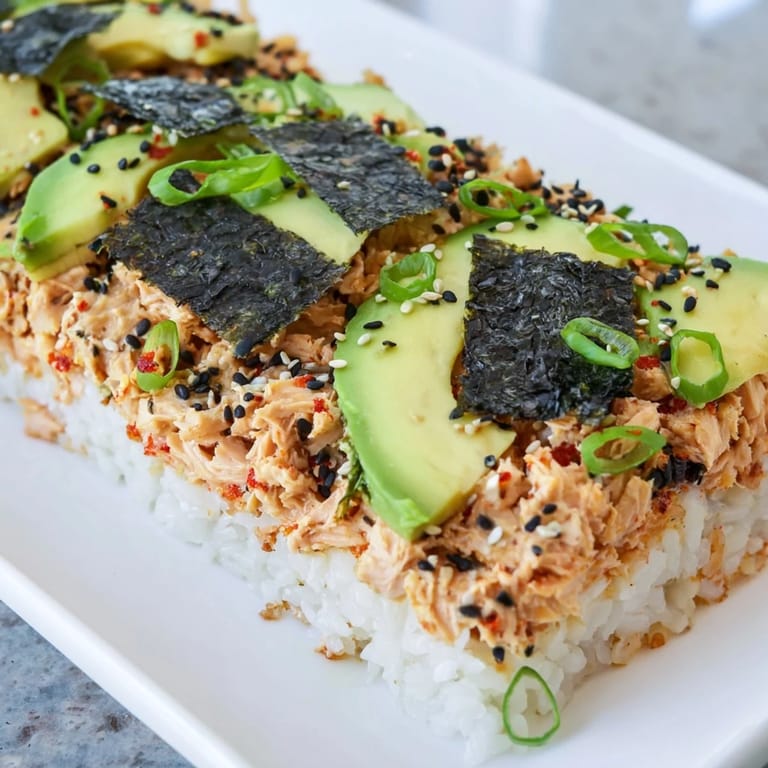
 I was scrolling through my phone during a rainy Tuesday when my roommate texted a photo of her sushi bake—golden, bubbling, topped with glossy avocado slices. She described it as sushi without the rolling precision, and something clicked. That night, I raided the fridge and threw together whatever made sense: rice, leftover salmon, cream cheese. The casserole that came out was warm, creamy, and nothing like traditional sushi, but it felt more honest somehow. Now I make it whenever I want that sushi craving without the pressure of perfect rolls.
I made this for my partner on a random weeknight when neither of us felt like ordering takeout, and watching their face light up when they tasted that salmon and cream cheese mixture was worth every minute. They asked for it again the following week, which never happens with my cooking experiments. It became our standby dish when friends come over because it feels restaurant-quality but doesn't require me to stress or spend hours in the kitchen.
Ingredients
- Sushi Rice: Two cups gives you the perfect foundation—sticky enough to hold layers together but still tender and absorbing all that seasoned vinegar goodness.
- Water: Two and a half cups maintains the ideal moisture for fluffy, well-cooked rice that doesn't turn mushy.
- Rice Vinegar: Just two tablespoons brings that subtle tang that makes this feel authentically sushi without overpowering anything.
- Sugar: One tablespoon balances the vinegar and rounds out the rice seasoning perfectly.
- Salt: One teaspoon ties everything together and prevents the rice from tasting flat.
- Salmon Fillet: Four hundred grams of skinless salmon cooks through beautifully and gives you enough flakes to layer generously without the dish feeling dry.
- Soy Sauce: Use regular or low-sodium based on your taste, brushed on the salmon before baking to lock in umami flavor.
- Sesame Oil: One teaspoon adds an earthy depth that elevates the entire casserole with minimal effort.
- Black Pepper: A light hand here keeps the focus on the fish's delicate flavor rather than spice.
- Cream Cheese: Softened first, it binds with the salmon and creates that creamy middle layer that makes people ask for seconds.
- Mayonnaise: Kewpie mayo is worth seeking out—its slight sweetness and silkier texture make a noticeable difference compared to standard brands.
- Sriracha: Optional but transformative if you want warmth without heat overtaking the dish.
- Lemon Juice: One teaspoon cuts through the richness and keeps everything tasting bright.
- Avocados: Two ripe ones sliced just before serving preserve their creamy texture and buttery color.
- Nori: Three sheets cut into small squares add that essential sushi character and a subtle oceanic note.
- Sesame Seeds: Toast them lightly yourself if possible—the nutty aroma filling your kitchen is half the pleasure.
- Spring Onions: Two thinly sliced brings freshness and a gentle sharpness that balances the richness.
Tired of Takeout? 🥡
Get 10 meals you can make faster than delivery arrives. Seriously.
One email. No spam. Unsubscribe anytime.
Instructions
- Prepare your rice foundation:
- Rinse the sushi rice under cold running water, stirring gently until the water runs completely clear—this removes excess starch that would otherwise make your rice gluey. Combine the rinsed rice with water in a saucepan, bring to a boil, then cover and reduce heat to low for 15 minutes, letting it steam undisturbed.
- Season the rice while warm:
- Remove the saucepan from heat and let it rest, covered, for 10 minutes—this matters more than you'd think. While that happens, whisk together rice vinegar, sugar, and salt in a small bowl until the sugar dissolves completely, then gently fold this into the fluffy rice with a fork, being careful not to mash the grains.
- Spread your base:
- Transfer the seasoned rice to a lightly greased 9x13-inch baking dish, pressing it down gently with the back of a spoon or a wet spatula so it forms an even layer that will support everything above it.
- Bake the salmon:
- While the oven preheats to 400°F, place your salmon fillet on a parchment-lined tray and brush it generously with soy sauce and sesame oil, then dust with black pepper—you'll smell the sesame oil toasting as it bakes, which is a signal that everything's working. Bake for 12 to 15 minutes until the salmon flakes easily with a fork and no translucent center remains.
- Create your creamy layer:
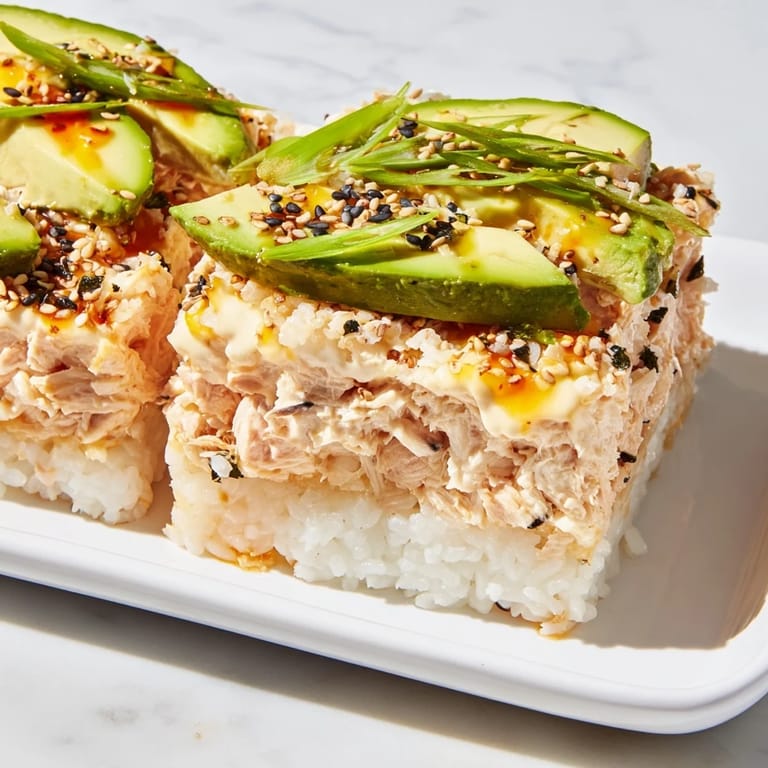
- In a bowl, combine softened cream cheese, mayonnaise, sriracha if you're using it, and lemon juice, stirring until completely smooth—a hand mixer works beautifully here if the cream cheese is still slightly cool. Fold in the flaked salmon gently, keeping some texture rather than fully blending it into a paste.
- Layer and bake again:
- Spread the salmon mixture evenly over the rice, using a spatula to seal in all that flavor, then return the assembled casserole to the oven for 10 minutes to warm through and develop a subtle golden crust on top.
- Finish with fresh toppings:
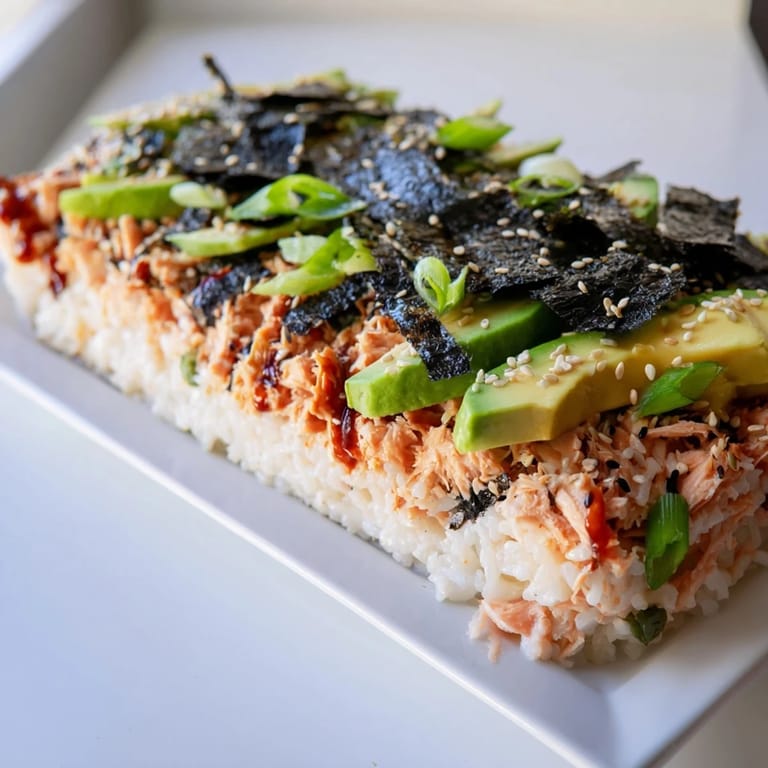
- Remove the casserole from the oven and immediately arrange your sliced avocado, nori squares, sesame seeds, and spring onions on top—adding these after baking preserves their texture and brightness. Slice into portions and serve warm with soy sauce, pickled ginger, and wasabi on the side for dipping.
 Pin it
 My best friend had never tried anything I'd cooked beyond my usual pasta, and the first time they tasted this casserole, they asked if I'd learned from a sushi chef. I told them the truth: I'd basically invented lazy sushi at midnight, and now it was somehow the thing people remember me for. That moment shifted how I think about cooking—it's less about perfection and more about creating something that brings people joy.
Why This Works as a Casserole
Deconstructed dishes often feel trendy, but this one actually solves real problems. Hand-rolling sushi requires precision, patience, and practice—skills that take years to develop. Baking everything together in layers gives you the same flavor combinations and textures with none of that pressure. The rice absorbs the subtle vinegar seasoning, the salmon stays moist under the cream cheese blanket, and the avocado stays fresh on top where it belongs. You get restaurant complexity through assembly rather than technique, which honestly feels like a superpower when you're hungry at 7 p.m. and want something impressive.
Customizing Your Casserole
I've made this with canned tuna when I forgot to buy fresh salmon, and it was honestly just as good—the cream cheese and mayo mixture carries the umami flavor so completely that upgrades matter less than you'd think. Cooked crab meat is luxurious if you find it on sale, and shrimp works beautifully too, developing a slightly firmer texture during the final bake. The sriracha is optional, but I add it most times because that gentle heat against the creamy layers keeps the dish from tasting one-note. Sometimes I skip it entirely and let the sesame oil do all the flavor-lifting, which feels cleaner and more delicate.
The Details That Matter Most
A friend once asked why her version tasted bland, and when I asked about the rice, she admitted she'd skipped rinsing it. That one step—running water over the uncooked rice until it runs clear—removes enough starch that your finished casserole tastes light and elegant rather than gummy. Toast your own sesame seeds if you can; they smell incredible and taste fresher than pre-toasted versions. Slice your avocado at the last possible moment, and if you're assembling this for guests who'll eat in an hour, wait to cut the nori until right before serving so it stays crisp.
- Kewpie mayo brings a subtle sweetness that regular mayo can't replicate, especially important when you're building layers of flavor.
- Pressing the rice down gently creates an even, unified base that won't have hollow pockets underneath your salmon mixture.
- Let the seasoned rice cool slightly before adding the salmon layer, or the warmth will soften the cream cheese too much.
 Pin it
 Make this when you want sushi's elegance without its pressure, or when you're feeding people who think they don't like cooking-from-scratch meals. Somehow, this dish changes their minds.
Recipe Questions & Answers
- → What type of rice is best for this dish?
Short-grain sushi rice works best for its sticky texture that holds the layers together beautifully after baking.
- → Can I substitute the salmon with other seafood?
Yes, cooked crab meat, canned tuna, or cooked shrimp are great alternatives that maintain the dish's delicate flavors.
- → How do I prevent the rice from becoming soggy?
Thoroughly draining and fluffing the rice after cooking and using a light hand with the creamy layer helps keep the texture ideal.
- → Is it necessary to bake the entire assembled dish?
Baking the assembled layers warms the dish evenly and allows flavors to meld, while giving a slightly golden, appetizing top layer.
- → What pairings enhance the flavors when serving?
This dish pairs well with crisp white wines like Sauvignon Blanc or chilled sake, alongside soy sauce, pickled ginger, and wasabi for added zest.