 Pin it
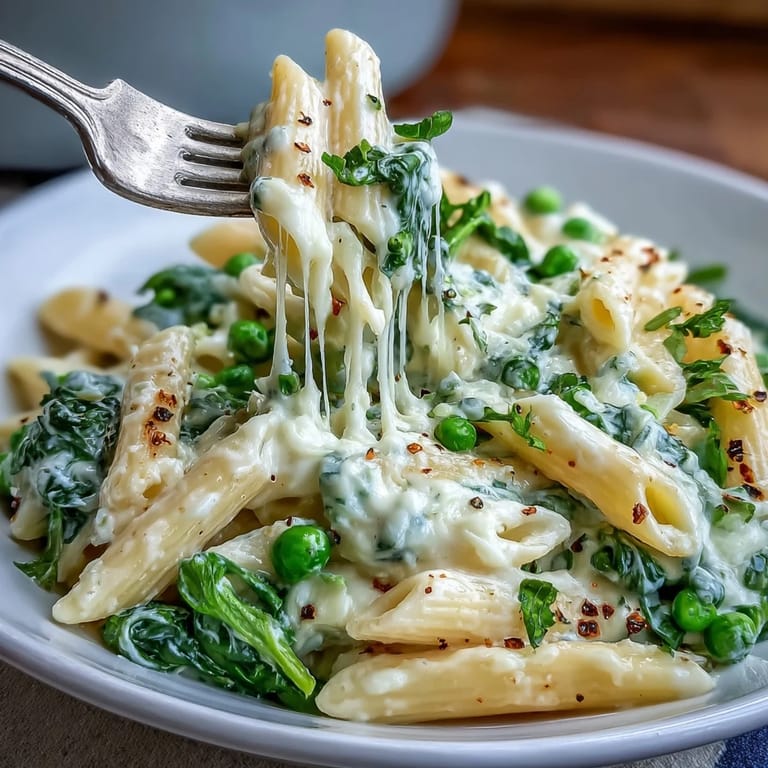
 The first thing I noticed was the sharp, clean scent of lemon zest singing through my kitchen as I grated it for the first time into this dish. I wasn't planning anything fancy that weeknight, just hoping for something bright to shake off a rainy afternoon. There's a certain anticipation in the way ricotta folds into pasta water, promising a meal that'll be both comforting and lively. That first swirl with peas and spinach always makes me smile, watching green flecks tumble through pillowy pasta. Lately I find myself craving this dish exactly when I need both ease and cheer.
One Saturday, my friend Nora stopped by just as I was tossing in the last handful of spinach. She perched on the kitchen counter, mesmerized by how fast everything came together, and the two of us laughed about how we always seem to cook more for company—even if company just means a friend passing through. We ate it straight from the skillet that time, Parmesan snowing down as we swapped stories about disastrous first dates. I think we agreed the lemony ricotta sauce could mend almost any kind of day. It was a good reminder that a meal doesn't need a celebration to feel special.
Ingredients
- Short pasta (penne, fusilli, or similar): The curves and nooks capture the creamy sauce perfectly; don't be afraid to stir firmly so nothing sticks.
- Ricotta cheese: For the smoothest result buy the freshest ricotta you can find, and let it sit out a few minutes before using so it melds better in the pan.
- Grated Parmesan cheese: A nutty, salty backbone—finely grated melts fastest and avoids clumps.
- Whole milk: Adds silkiness, but don't swap for skim; a little richness goes a long way here.
- Green peas (fresh or frozen): Toss these in straight from the freezer—surprisingly, they don't need much time to turn sweet and tender.
- Fresh spinach: My kitchen trick is to roughly chop any larger leaves so they cook evenly and slip prettily onto the fork.
- Garlic (minced): The minute it hits hot oil, you'll know—watch it closely so it turns fragrant but not bitter.
- Lemon (zest and juice): Always zest before juicing, and give the zest a gentle rub between your fingers to release even more oils.
- Olive oil: Regular works fine but a fruity extra virgin version gives the garlic that extra nudge.
- Salt and freshly ground black pepper: Taste as you go—the ricotta needs a little more punch than you might expect.
- Optional garnish (lemon zest, basil, parsley): These little extras wake up the greens and make the plate glow; add them right at the end.
Tired of Takeout? 🥡
Get 10 meals you can make faster than delivery arrives. Seriously.
One email. No spam. Unsubscribe anytime.
Instructions
- Sizzle the garlic:
- Heat olive oil in your biggest skillet over medium until it slides easily. Stir in the garlic and let it sizzle just until you smell its sweetness—don't let it go golden.
- Combine pasta and peas:
- Add pasta, peas, and a pinch of salt, then pour in enough water to cover. Bring to a lively bubble, stirring now and then so nothing sticks as the water simmers down and flavors intensify.
- Wilt the spinach:
- Once your pasta's nearly cooked and most of the water's disappeared, tumble in the spinach. Stir gently as it collapses and turns glossy, just a couple of minutes.
- Create the creamy sauce:
- Turn the heat low and spoon in ricotta, Parmesan, milk, zest, and juice. Stir until everything unites into a tangled, creamy sauce that hugs each piece warmly—taste for seasoning.
- Garnish and serve:
- Ladle the pasta onto plates (or eat right from the pot). Shower with lemon zest and fresh herbs for that final lift.
 Pin it
 The day I brought this to a picnic, it became the unofficial centerpiece as people kept going back for another scoop. Someone asked for the recipe with half a plate still in hand, laughing that they'd never dreamed ricotta belonged outside of lasagna. There are few joys better than watching something you whipped up turn a gathering into a little celebration. For a brief afternoon under the sun, a simple skillet of pasta made all of us linger longer at the table. That's when I realized this one-pot wonder had quietly joined my forever meals.
Stirring in the Ricotta—What to Expect
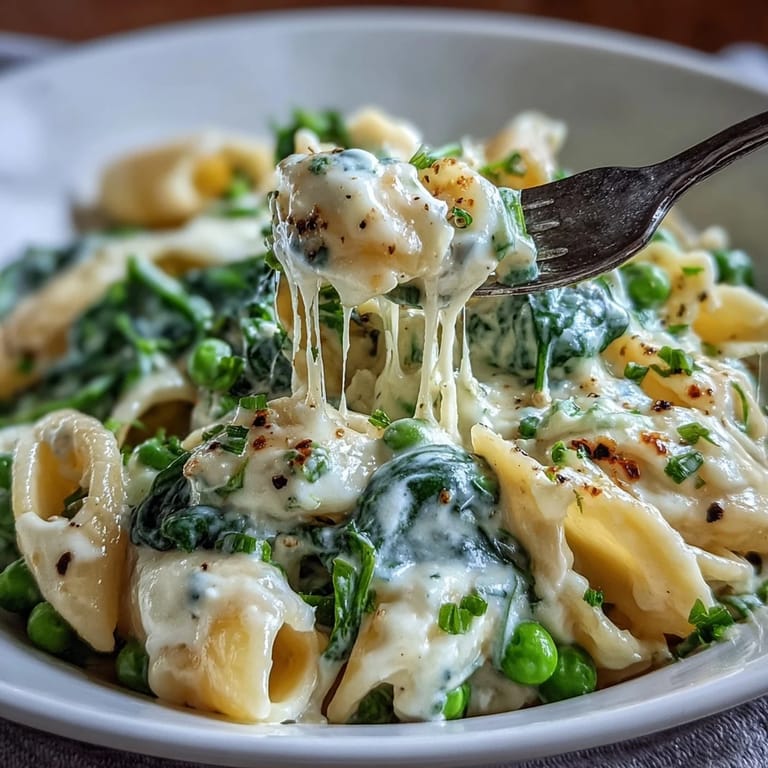
If yours looks odd and grainy at first when the ricotta hits the hot pasta, keep stirring—after another minute, it all melts into a creamy veil. I learned not to rush or panic; the transformation is like magic once the heat finds its balance. And don't be afraid to adjust the milk or cheese as you go—you can always add more to get your idea of creamy perfection. A quick taste before serving helps you catch if it needs another squeeze of lemon. That soft tang is what makes each forkful sing.
Making It Your Own: Toppings, Add-Ins, and Twists
This recipe quietly welcomes anything your fridge offers. Toasted pine nuts or walnuts add crunch I never knew I craved until I tried them. Sometimes I swap spinach for peppery arugula or kale, or slip in a few chili flakes when I want just a hint of mischief. You can play with herbs according to the mood—basil for summery sweetness, parsley for something crisper. The only rule is not to take it too seriously; improvisation nearly always has delicious results.
Leftovers and Friendly Kitchen Advice
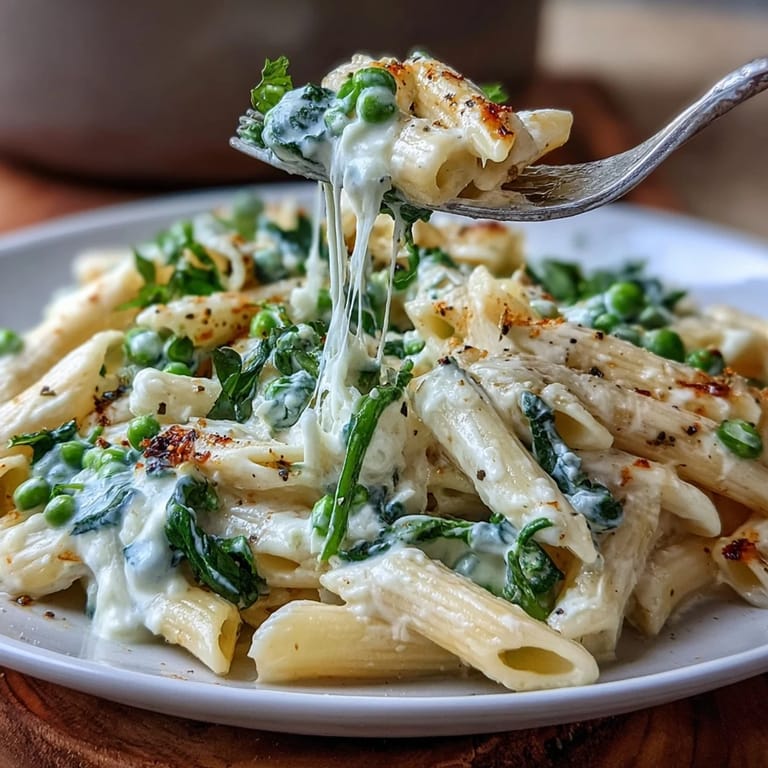
I once packed leftovers for lunch, expecting a dull reheat, but the creamy sauce revived beautifully on the stovetop with just a splash more milk. If you use gluten-free pasta, check it a couple minutes early—some brands soften much faster than expected. And don't forget to scrape up the browned bits at the pan's edge; they're always the bites I hope no one else notices first.
- A squeeze of lemon wakes up leftovers almost as much as when freshly made.
- An extra splash of milk brings chilled pasta back to life.
- Herbs wilt fast, so add them at the very last moment for a burst of freshness.
 Pin it
 There's something unbeatable about a meal that delivers joy in just thirty minutes and leaves so little mess behind. I hope your kitchen fills up with the same bright energy the next time you give this one-pot wonder a try.
Recipe Questions & Answers
- → Can I use frozen peas instead of fresh?
Yes — frozen peas work well and can be added directly to the pot with the pasta. They thaw and cook through during the simmering time, keeping a sweet, tender bite.
- → How do I keep the sauce creamy and prevent curdling?
Reduce heat before adding ricotta and milk, and stir gently until warmed through. Using a splash of reserved starchy cooking water helps emulsify the cheese and liquid into a smooth sauce.
- → Which pasta shapes are best for this method?
Short, ridged shapes like penne, fusilli or rigatoni hold the sauce well. Smaller shapes cook evenly in one pot and capture bits of ricotta and peas between grooves.
- → Can I make this gluten-free or dairy-free?
Use gluten-free pasta and adjust cooking time as needed. For dairy-free, swap ricotta with blended tofu or cashew cream and use nutritional yeast for a savory, cheesy note.
- → How should leftovers be stored and reheated?
Cool quickly and refrigerate in an airtight container for up to 3 days. Reheat gently in a skillet with a splash of milk or water to loosen the sauce and revive creaminess.
- → Any quick additions for texture or heat?
Stir in toasted pine nuts or walnuts for crunch, or sprinkle red pepper flakes for a touch of heat. A drizzle of good olive oil brightens the finished dish.