 Pin it
 My friend texted me a photo from a Bangkok street market at midnight, and I spent the next hour scrolling through her travel album instead of sleeping. When she got back, the first thing she asked me to make was something that tasted like those vendor stalls she'd wandered through—bright, fast, and alive on the plate. That's when I realized I'd been overthinking Asian noodles, treating them like they needed ceremony when really they just needed heat, good instincts, and whatever vegetables looked happy in my crisper drawer.
I made this for a potluck once where someone had just returned from Vietnam, and I was honestly nervous about the comparison. But watching people circle back for seconds, asking what was in the sauce while they were still chewing—that's when I stopped worrying about authenticity and started trusting the thing itself. The noodles became the vehicle, the vegetables the texture, and suddenly it wasn't about replicating someone else's memory, it was about making my own.
Ingredients
- Medium shrimp, peeled and deveined (400 g): Buy them frozen if fresh ones are suspicious—they thaw beautifully and cook faster, plus there's no guilt about the sourcing mystery.
- Rice noodles (200 g): The thinner ones cook faster and drink up the sauce better than the thicker varieties, though you can swap freely depending on what your store has.
- Zucchini, julienned: It stays crisp if you don't overthink it, and the mild flavor lets the sauce be the star instead of competing with it.
- Carrot, julienned: Adds sweetness and color without needing any extra convincing, plus raw carrots have this satisfying crunch that cooked ones can't match.
- Garlic, minced (2 cloves): The 30-second bloom in hot oil transforms it from raw bite into golden perfume that coats everything.
- Green onions, sliced (3): Toss them in at the last second so they stay bright and oniony instead of wilting into invisibility.
- Soy sauce (3 tbsp): Use the regular kind unless you have a reason not to—gluten-free versions work fine if you need them, and honestly most people won't taste the difference.
- Lime juice (2 tbsp): Fresh lime makes this whole thing sing; bottled is fine in emergencies but squeeze real ones if you can.
- Sesame oil (1 tbsp): A little goes a long way—this is the ingredient that whispers Asian fusion instead of shouting it.
- Honey or maple syrup (1 tbsp): Both work, though honey dissolves faster into the sauce and maple syrup adds an earthier undertone.
- Chili garlic sauce (1 tsp, optional): This is where you dial in heat to your actual comfort level, not some internet stranger's definition of spicy.
- Roasted peanuts, chopped (50 g): The crunch is non-negotiable, so don't skip them or swap for something soft—they're the textural argument the whole bowl was waiting for.
- Fresh cilantro (1/3 cup): Some people have that soap gene, so taste before you pile it on, and know it's okay to leave it off if you're one of those people.
- Lime wedges: They seem optional until you taste one and realize the extra squeeze of acid is what makes the last bite as good as the first.
Tired of Takeout? 🥡
Get 10 meals you can make faster than delivery arrives. Seriously.
One email. No spam. Unsubscribe anytime.
Instructions
- Start the noodles first:
- Get a pot of water boiling while you organize everything else, because cold noodles waiting around get sticky and frustrated. Follow the package timing exactly—usually 4 to 5 minutes—then drain and rinse with cold water so they stop cooking and stay separate.
- Build your sauce while everything's cold:
- Whisk soy sauce, lime juice, sesame oil, honey, and chili garlic sauce in a small bowl and taste it before moving forward. If it's too salty, add more lime; too tangy, add a touch more honey; too boring, the chili sauce is your friend.
- Heat the pan and bloom the garlic:
- Get a large skillet or wok screaming hot over medium-high heat, add a splash of oil, and let the garlic sit there for 30 seconds until the whole kitchen smells like something worth eating. This step transforms garlic from a raw ingredient into actual flavor.
- Cook the shrimp until they're just right:
- Add shrimp to the hot pan and leave them alone for about a minute before turning them—they'll release naturally when they're ready. Cook for another minute or two until they're pink and firm, then pull them out before they get tough and sad.
- Stir-fry the vegetables with purpose:
- Throw zucchini and carrot into the same pan with all those shrimp drippings and cook for 2 to 3 minutes, stirring occasionally so they get a little color and soften just barely. You want them to stay snappy, not turn into mush.
- Bring everything together in one warm place:
- Add the cooked noodles, green onions, and sauce to the pan and toss until every strand gets coated and the sauce is warm and glossy. This is the moment where separate ingredients become one unified thing.
- Return the shrimp and finish:
- Add the cooked shrimp back in and gently mix everything so the heat spreads through and nothing breaks apart. Taste and adjust salt, acid, or spice here because this is your last chance to make it taste like you.
- Plate and dress up:
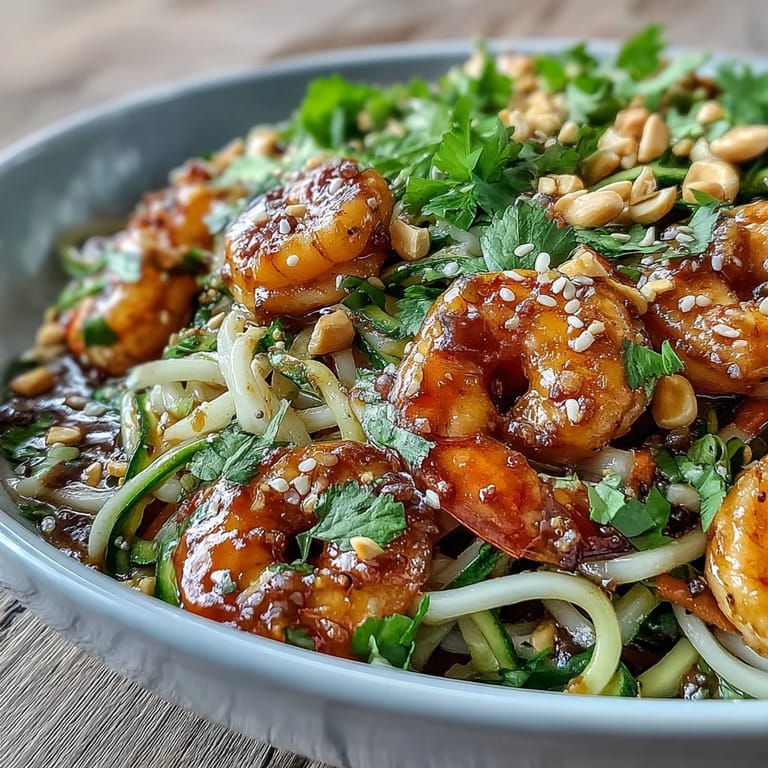
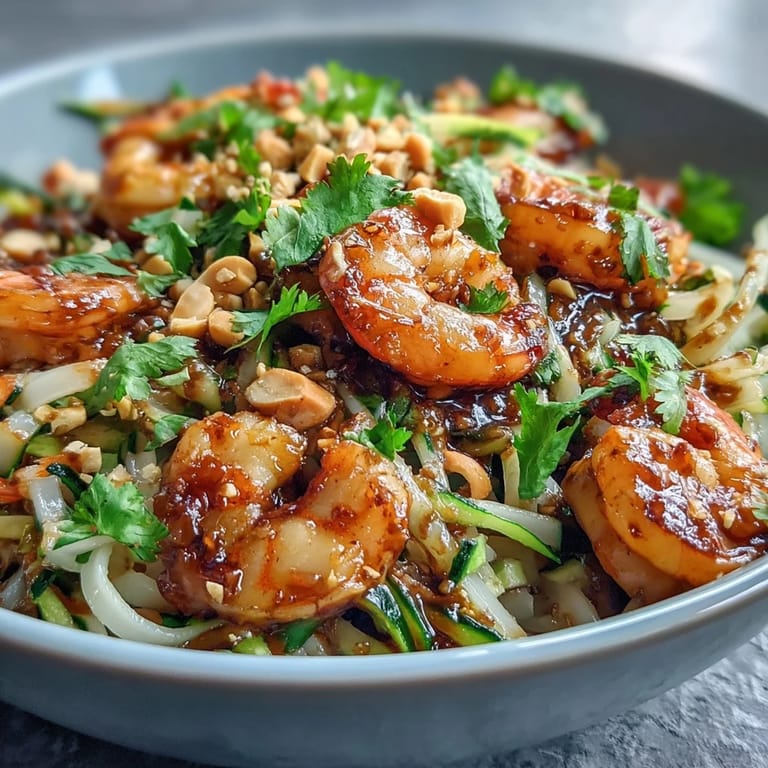
- Divide among bowls and sprinkle peanuts and cilantro on top while everything's still warm, then set lime wedges on the side. The final squeeze of lime at the table is where the magic lives.
 Pin it
 My little sister ate this for the first time and asked if restaurants were even real, because she couldn't believe something from our kitchen tasted this clean and intentional. That's when I knew the recipe wasn't about impressing anyone—it was about showing up with ingredients that mattered and letting them speak.
Why This Works as a Weeknight Meal
Everything happens in one pan after the noodles are done, which means you can't accumulate a disaster of dirty bowls while you're cooking. The chopping is straightforward, the timing is forgiving, and there's no strange technique you need to master—just heat, movement, and attention. Your kitchen smells incredible the whole time, which is honestly half the point of cooking on nights when you're tired and need something to go right.
Customizing Without Losing Your Way
This bowl is flexible enough to bend toward whatever you have on hand, as long as you keep the sauce and the textural contrast intact. Swap shrimp for tofu or chicken if that's what's thawed, throw in red bell pepper or snap peas because they only improve things, and remember that frozen vegetables work just fine—there's no moral weight to anything except the finished taste. The formula is simple enough that you can rearrange the pieces without breaking the whole structure.
The Sauce Is Everything
I learned this the hard way by making the same bowl three times with mediocre sauce and one time with sauce I actually tasted beforehand, and the difference was louder than the difference between any two vegetables. The sauce is what transforms this from healthy and boring into something you'll think about tomorrow. Balance is personal—some days you want more lime acid, other days you want the honey to be louder—so taste as you go and trust that adjustment happens at the table too with those lime wedges.
- Make the sauce first so you know what you're building toward.
- Keep extra lime wedges because the last squeeze is where people fall in love with this dish.
- If you're serving this to guests, let them adjust heat and acid at the table instead of deciding for them.
 Pin it
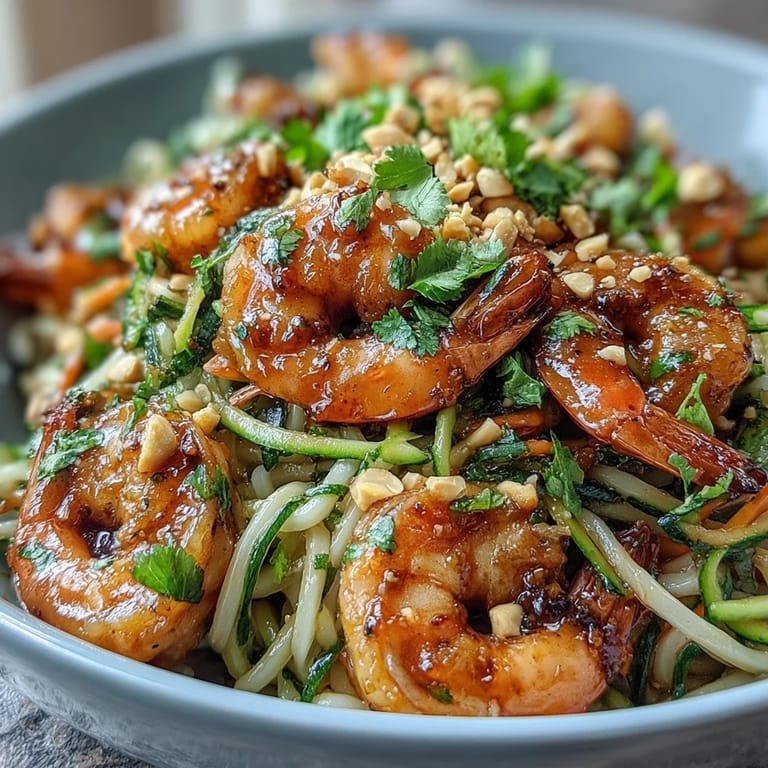
 This bowl taught me that good food doesn't need to be complicated or precious, just honest and finished with intention. Make it when you want to feel like you did something right, which on most evenings is exactly when you need it most.
Recipe Questions & Answers
- → Can I make this dish ahead of time?
Prepare the sauce and vegetables in advance, but cook the noodles and shrimp just before serving. Rice noodles can become gummy if sitting too long in sauce.
- → What protein alternatives work well?
Tofu, chicken breast, or even sliced beef make excellent substitutions. Adjust cooking times accordingly—tofu needs less time while beef may require slightly longer.
- → Is this dish gluten-free?
Yes, simply use gluten-free soy sauce or tamari. Rice noodles are naturally gluten-free, making this an easy dish to adapt for dietary restrictions.
- → How do I prevent rice noodles from sticking?
Rinse cooked noodles thoroughly with cold water to stop the cooking process and remove excess starch. Toss with a small amount of oil before adding to the pan.
- → Can I add more vegetables?
Absolutely. Snap peas, bell peppers, bean sprouts, or bok choy work beautifully. Add heartier vegetables earlier in the cooking process and delicate ones at the end.