 Pin it
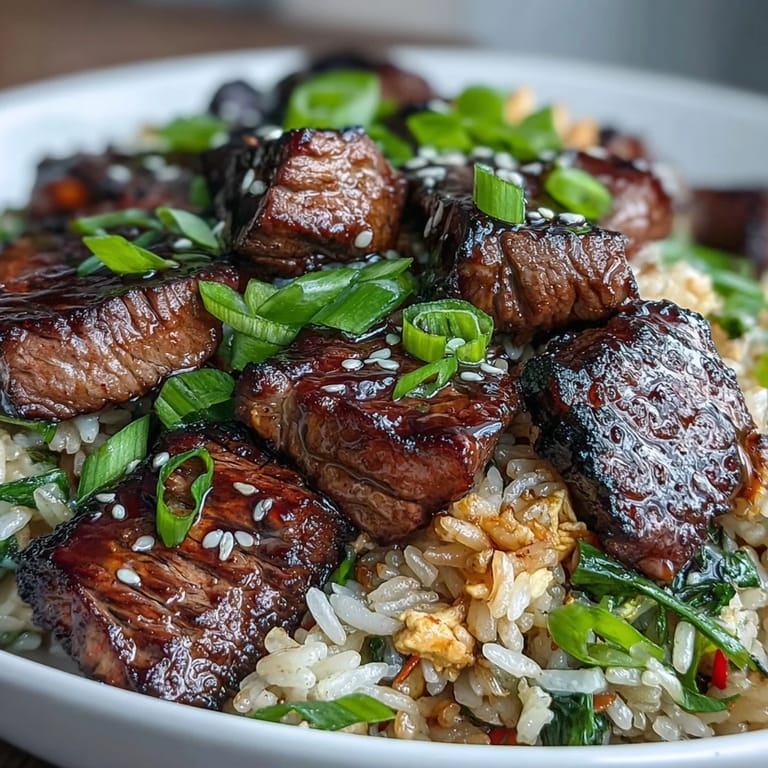
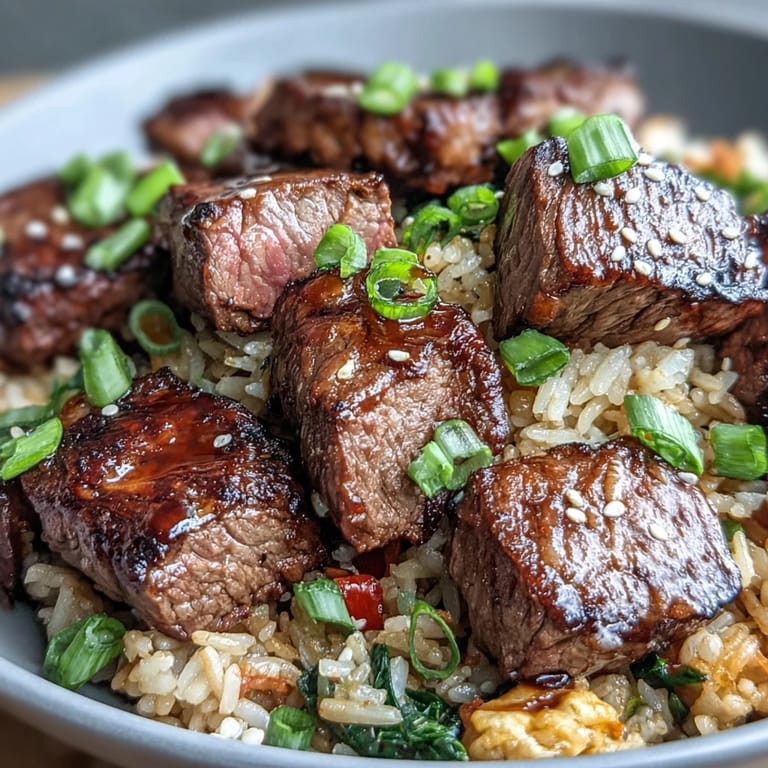
 My neighbor invited me over for a casual weeknight dinner, and I watched her throw together steak and fried rice on a single griddle with such ease that I felt almost guilty for how much restaurant hibachi I'd paid for over the years. The way she worked—moving ingredients around like a conductor, the sizzle punctuating every pause in conversation—made me realize this wasn't fancy cooking, it was just confident cooking. I went home and recreated it that same night, and now it's become my go-to when I want restaurant-quality results without the performance or the bill.
The first time I made this for my partner's family, I was nervous about the timing—I'd read somewhere that you can't rush fried rice. But the magic was in realizing that this dish actually rewards a little hustle; the vegetables hit the pan while the steak is resting, the eggs scramble while you're tossing everything together, and suddenly you're plating something that smells like a proper Japanese restaurant. My mother-in-law asked for the recipe before the plates were even cleared.
Ingredients
- Sirloin steak, cut into 1-inch cubes: Sirloin is forgiving—tender enough to stay juicy but sturdy enough to handle the high heat without falling apart, and it won't break your budget like ribeye would.
- Low-sodium soy sauce: Use low-sodium so you can actually taste the umami without your palate getting overwhelmed; you can always add salt, but you can't take it back.
- Mirin: This adds sweetness that balances the salty soy, creating that signature hibachi flavor—if you don't have it, dry sherry works in a pinch but mirin is worth seeking out.
- Sesame oil: A little goes a long way here; it's the secret to that toasted, almost smoky undertone.
- Day-old jasmine rice: Fresh rice will turn to mush, so plan ahead or use frozen rice that's been thawed; the grains need to be separate and slightly firm.
- Vegetables (onion, carrots, zucchini, mushrooms, peas): Dice everything to roughly the same size so they cook evenly and the pan stays balanced; mushrooms add an earthy depth that casual cooks often skip.
- Eggs: These create pockets of richness throughout the rice and help bind everything without making it heavy.
- Unsalted butter: Added at the end, it brings everything together and adds a subtle richness that rounds out all the salty, savory flavors.
- Green onions: Fresh and sharp, they're not just garnish—they cut through the richness and remind your palate you're eating something alive and vibrant.
Tired of Takeout? 🥡
Get 10 meals you can make faster than delivery arrives. Seriously.
One email. No spam. Unsubscribe anytime.
Instructions
- Marinate the steak while you prep:
- Combine your cubed steak with soy sauce, mirin, sesame oil, garlic, and pepper in a bowl and let it sit for at least 10 minutes. This isn't about deep marinating—it's about giving the meat a chance to absorb flavor while you're dicing vegetables anyway, multitasking without rushing.
- Sear the steak until golden:
- Heat oil in your skillet over medium-high heat until it shimmers, then add the steak cubes and cook for 2–3 minutes, stirring occasionally until they're browned on the outside but still pink inside. Don't crowd the pan or they'll steam instead of sear; if your pan feels full, work in batches.
- Cook the vegetables until just tender:
- Add the remaining oil to the pan, then toss in your onion, carrots, zucchini, and mushrooms. Cook for 4–5 minutes, stirring often, until everything has softened slightly but still has a little resistance; you want texture, not mush.
- Scramble the eggs in a pocket:
- Push the vegetables to one side of the pan, pour in your beaten eggs to the empty space, and scramble them just until set, about 1–2 minutes. This technique keeps everything from getting mixed too early and gives the eggs a chance to develop on their own.
- Bring it all together:
- Add the rice, peas, and cooked steak back to the pan, drizzle with soy sauce, and toss everything constantly, breaking up any clumps of rice as you go. This should take about 2 minutes and will feel chaotic, but that's when the magic happens.
- Finish with butter and green onions:
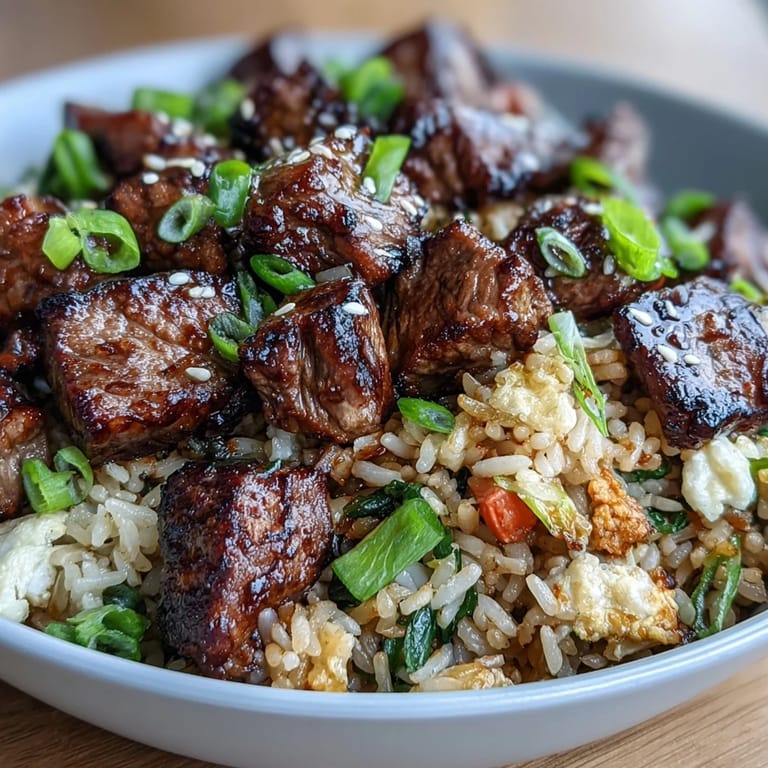
- Stir in the butter and half the green onions, cook for another 2–3 minutes until the rice gets slightly crispy at the bottom of the pan, then taste and adjust salt and pepper. The whole process from here should feel like a quick dance rather than a careful assembly.
 Pin it
 There's a moment, right when you're stirring in the butter and watching the rice start to crisp along the bottom of the pan, when you realize you've created something that tastes expensive and elaborate but actually cost you 20 minutes of your evening. That's when this dish stops being just dinner and becomes proof that good cooking isn't complicated—it's just about heat, timing, and knowing when to trust your instincts.
Why Cold Rice Matters More Than You Think
Fried rice is one of those dishes where the ingredient list doesn't fully reveal what's important. The difference between mushy fried rice and crispy, grain-separated fried rice is almost entirely about moisture, and that's why people swear by day-old rice. When rice sits overnight in the fridge, the starches firm up and the grains lose excess moisture, which means they fry instead of steam. I learned this the hard way by trying to rush the process with fresh rice, watching it turn into a sticky paste within seconds, then starting over with the right rice and getting those perfect separated grains that actually brown in the pan.
The Secret to Restaurant-Level Flavor
What separates casual fried rice from the kind you crave is the combination of heat and layering. The steak gets a quick sear to develop color and flavor, the vegetables cook just until tender so they maintain texture, and then everything comes together with butter at the end, which acts like a binding agent that makes all the individual flavors feel like one cohesive dish. I used to think hibachi cooking required special equipment or technique, but really it's just about controlling your heat, knowing when to move things around, and finishing with butter like you mean it.
Make It Your Own
This recipe is flexible in the best way—the base stays the same, but your additions can shift depending on what's in your fridge or what you're craving. Some nights I use shrimp instead of steak because it's faster and lighter, other times I swap in broccoli or snap peas if that's what I have. The technique is what matters; everything else is just variations on a theme.
- Shrimp cooks faster than steak and brings a lighter flavor that works beautifully with the jasmine rice and sesame oil.
- A drizzle of sriracha or spicy mayo at the end turns this into comfort food with an edge.
- Keeping your ingredients prepped and lined up before you start cooking makes the whole process feel controlled instead of chaotic.
 Pin it
 This is the kind of dish that teaches you something about cooking every time you make it, whether it's about heat control, ingredient prep, or just the confidence that comes from creating restaurant-quality food in your own kitchen. Make it once, and it'll become part of your regular rotation.
Recipe Questions & Answers
- → What type of steak works best for hibachi?
Sirloin is an excellent choice for hibachi because it's tender, flavorful, and cooks quickly. You can also use ribeye, flank steak, or even New York strip steak. Cut the beef into uniform 1-inch cubes to ensure even cooking and easy eating with chopsticks or forks.
- → Why should I use day-old rice?
Cold, day-old rice has less moisture than freshly cooked rice, which prevents it from becoming mushy during stir-frying. The grains stay separate and develop a pleasant slightly crispy texture. If you don't have day-old rice, spread freshly cooked rice on a baking sheet and refrigerate for at least 2 hours before using.
- → Can I make this dish ahead of time?
While hibachi is best enjoyed fresh, you can prep components in advance. Cut the vegetables and marinate the steak up to 24 hours ahead. Cook the rice the day before and store it in the refrigerator. However, for the best texture and flavor, cook everything together just before serving.
- → What vegetables can I substitute?
Feel free to customize based on what you have available. Bell peppers, snap peas, bean sprouts, baby corn, or broccoli work wonderfully. The key is to cut vegetables into similar-sized pieces so they cook evenly. Harder vegetables like carrots should be diced smaller than softer ones like zucchini.
- → How do I prevent the steak from overcooking?
Cook the steak in batches if needed to avoid overcrowding the pan, which causes steaming instead of searing. Stir only occasionally to develop a nice brown crust. Remove the beef as soon as it's browned but still tender—about 2-3 minutes total. It will finish cooking when returned to the pan with the rice.
- → Is hibachi sauce necessary?
The soy sauce, butter, and sesame oil in this dish provide plenty of savory flavor. However, if you enjoy the classic hibachi experience, serve with yum yum sauce, spicy mayo, or teriyaki sauce on the side. These condiments add creaminess and additional flavor layers that complement the smoky stir-fried elements.