 Pin it
 There's something about the first warm evening of spring that makes you crave pasta, and one year I found myself standing in my kitchen with a bunch of fresh dill I'd impulsively bought at the market. I had no real plan, just butter, cream, and the sudden certainty that lemon and dill belonged together on noodles. Twenty minutes later, I was twirling forkfuls of the silkiest, most fragrant pasta I'd ever made, and my kitchen smelled like a Mediterranean dream. That accident became a ritual.
I made this for my sister last summer when she dropped by unexpectedly with her new partner, and I watched her face light up on the first bite—that moment when someone realizes you didn't pull out a cookbook or stress, you just knew what to do. She asked for the recipe three times before leaving, and now she texts me photos of her version. It's become our thing, this dish we share across distance.
Ingredients
- Pasta (350 g): Fettuccine, linguine, or penne all work beautifully; I prefer linguine because it catches the sauce perfectly in each bite.
- Unsalted butter (2 tbsp): The foundation of your sauce, so use the good stuff—it truly makes a difference.
- Fresh garlic (2 cloves, minced): Mince it finely so it dissolves into the sauce rather than leaving chunks; it should perfume, not dominate.
- Lemon zest (from 1 lemon): This is where the magic happens—it gives brightness without the acidity that juice alone would bring.
- Heavy cream (200 ml): The richness that makes this dish feel like a hug in a bowl; don't skip it or substitute with milk, it won't be the same.
- Fresh lemon juice (2 tbsp): Add it after the cream so it doesn't curdle; fresh juice tastes entirely different from bottled.
- Dijon mustard (1 tsp): A secret ingredient that rounds out flavors and adds subtle depth without any obvious mustard taste.
- Salt and pepper: Season generously; this sauce needs proper seasoning to shine.
- Parmesan cheese (40 g, grated): Freshly grated if you have time—it melts smoother and tastes sharper than pre-shredded.
- Fresh dill (3 tbsp, chopped): The star ingredient, added at the very end so it stays vibrant green and herbaceous.
Tired of Takeout? 🥡
Get 10 meals you can make faster than delivery arrives. Seriously.
One email. No spam. Unsubscribe anytime.
Instructions
- Set your pasta water:
- Fill a large pot with water, salt it generously until it tastes like the sea, and bring it to a rolling boil. The salt is your only seasoning for the pasta, so don't be timid.
- Cook the pasta:
- Add your pasta and stir it immediately so nothing sticks. Set a timer for one minute less than the package suggests—you want al dente, with a slight bite in the center.
- Prepare the sauce base:
- While pasta cooks, melt butter in a large skillet over medium heat. Watch it foam slightly, then add your minced garlic and lemon zest.
- Let it wake up:
- Sauté the garlic and zest for exactly one minute—you'll smell it transform from raw to sweet and fragrant. Don't let it brown.
- Build the sauce:
- Pour in the cream, lemon juice, and mustard, stirring to combine. Let it simmer gently for 2-3 minutes; it should thicken slightly and look like liquid gold.
- Marry the elements:
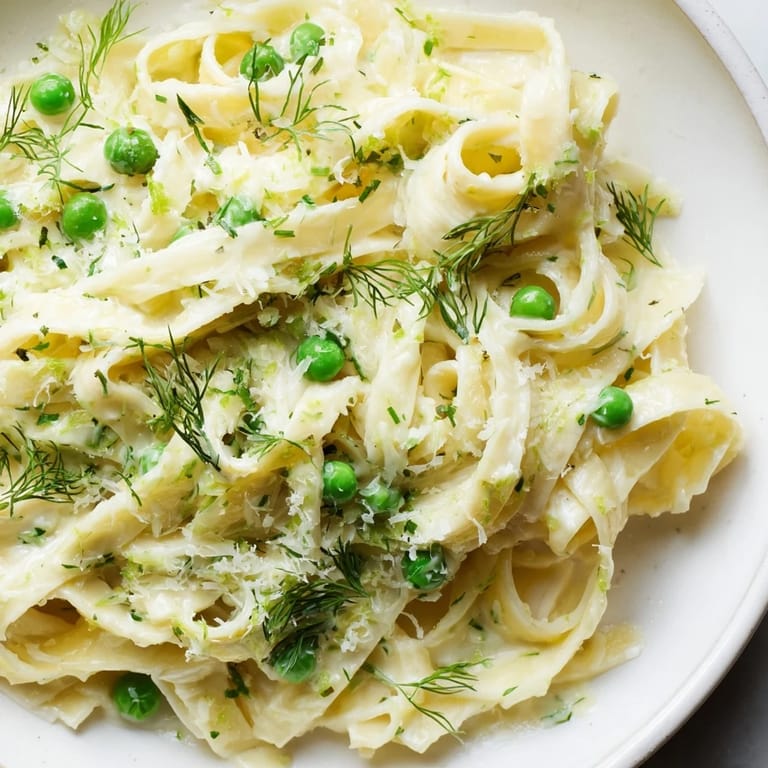
- Stir in Parmesan, salt, and pepper until the cheese melts completely and you have a smooth, glossy sauce. Taste it here—it should make you close your eyes.
- Finish the pasta:
- Drain your pasta, saving that starchy water like liquid gold, and add it to the skillet. Toss continuously, adding pasta water a splash at a time until the sauce clings to every strand and looks silky rather than thick.
- Final magic:
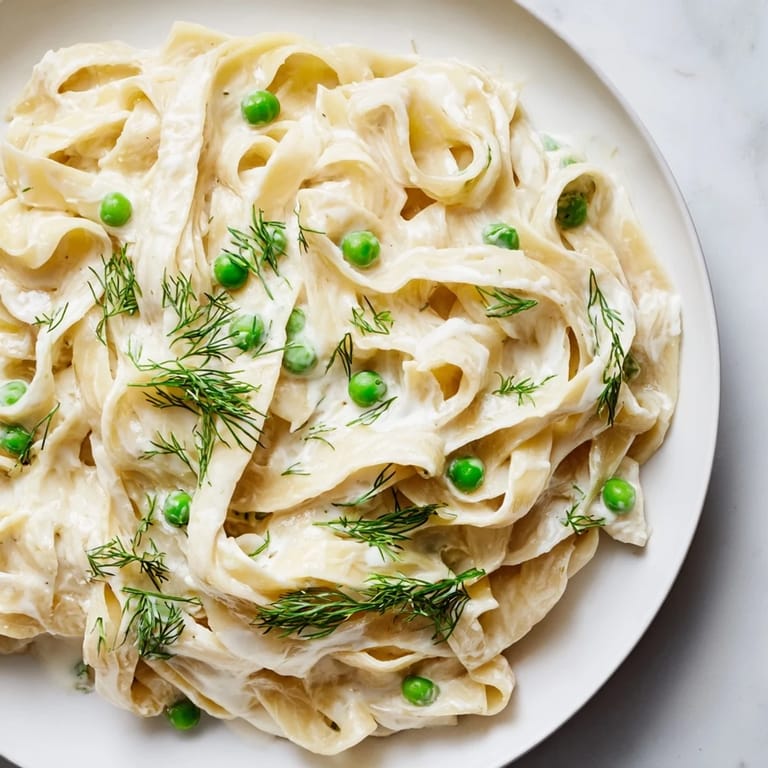
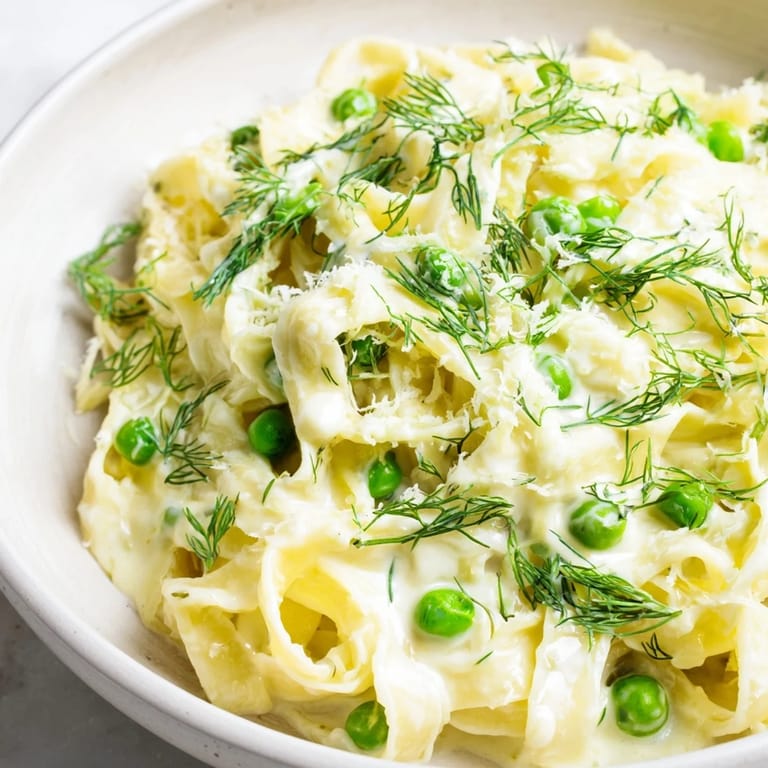
- Scatter in your fresh dill and any peas if you're using them, tossing gently until everything is warm and glowing green. This happens in seconds, so stay present.
 Pin it
 I remember my grandmother tasting this once and saying it was the kind of food that makes you grateful to be alive, which sounds dramatic until you actually eat something this good. She was right—there's something about the combination of silky cream and sharp, fresh herbs that hits a place deeper than hunger.
Why This Works as a Main Dish
This isn't pretentious restaurant food, but it feels special enough for company or a quiet night when you want to treat yourself. The simplicity is actually the whole point—with just a handful of ingredients, each one matters. There's nowhere to hide, which means you have to use good butter, real Parmesan, and fresh herbs, and the dish rewards that honesty.
Making It Your Own
The beauty of this recipe is that it's a template you can play with. Sometimes I add a handful of peas for color and sweetness, other times fresh asparagus if I'm feeling fancy. One memorable evening I threw in some caramelized mushrooms and the sauce took on an entirely new earthiness. The dill always stays because it's the backbone, but everything else is negotiable.
- Smoked salmon transforms this into something elegant enough for a date night, but it's just as lovely without it.
- Fresh herbs like parsley or tarragon can stand in for some of the dill if you don't have enough, though the dish won't be quite the same.
- A splash of white wine can replace some of the lemon juice if you want to deepen the sauce, though go easy and taste as you go.
The Timing Question
This dish lives in the moment—you really can't make it ahead or reheat it properly without losing something essential. The cream sauce breaks if it sits, the dill fades if cooked too long, and the pasta texture changes as it cools. But that's also what makes it perfect for a weeknight: you commit to cooking it fresh, and twenty-five minutes later you're sitting down to something beautiful.
 Pin it
 This recipe reminds me that the best meals don't need to be complicated—they just need to be made with attention and care. Make it when you have someone to share it with, or make it for yourself and savor the fact that you took time to cook something this good.
Recipe Questions & Answers
- → What type of pasta works best in this dish?
Long pasta shapes like fettuccine, linguine, or penne hold the creamy sauce well and complement the dish’s texture beautifully.
- → Can I substitute heavy cream in the sauce?
Yes, half-and-half or a plant-based cream alternative can be used for a lighter or dairy-free version, adjusting cooking times accordingly.
- → How is the lemon incorporated for maximum flavor?
Lemon zest is sautéed with garlic to release essential oils, while fresh lemon juice is added to brighten the creamy sauce.
- → What role does Dijon mustard play in the sauce?
Dijon mustard adds subtle depth and slight tang, balancing the creaminess without overpowering other flavors.
- → Can I add vegetables to this pasta?
Fresh or frozen peas are a popular addition, and sautéed mushrooms or asparagus make excellent alternatives for added texture and nutrition.