 Pin it
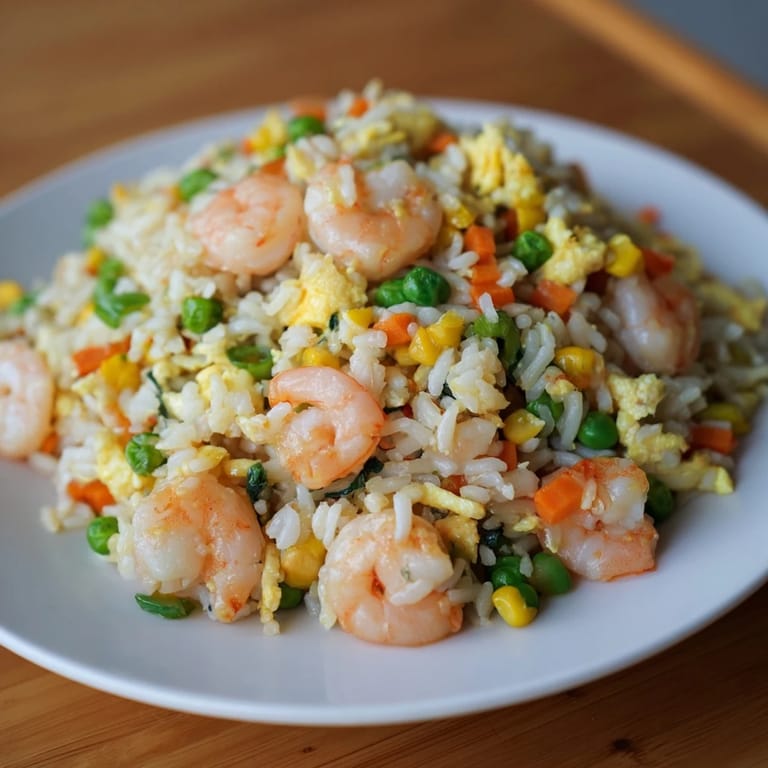
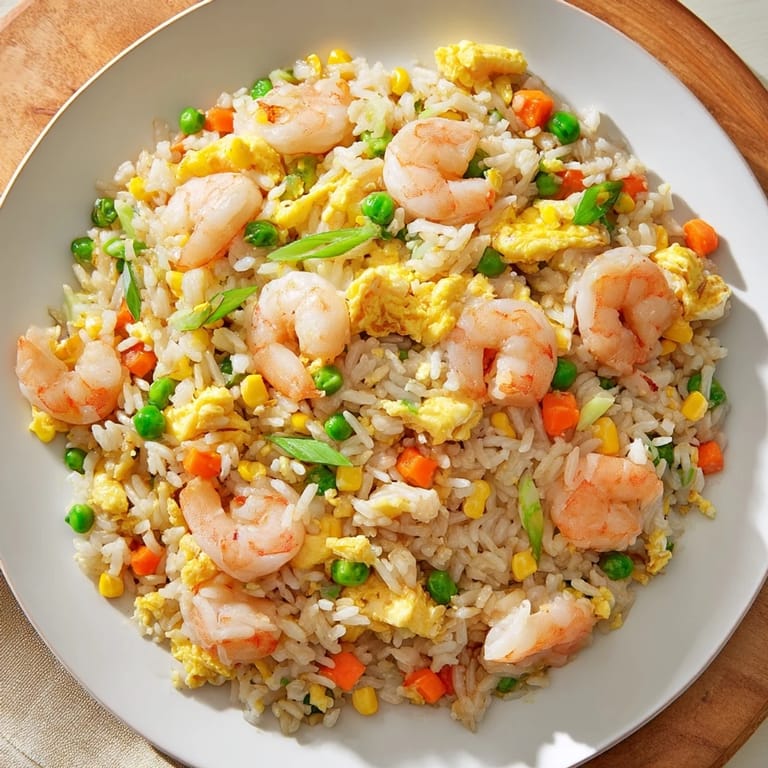
 I discovered this shrimp fried rice hack on a hectic Tuesday night when my kitchen timer was broken and my patience even more so. Standing at the stove with leftover jasmine rice and a pack of frozen shrimp, I threw together what I thought would be mediocre, but somehow those ten minutes of pure heat and movement created something genuinely craveable. The sizzle of the pan became my timer, and by the time the shrimp turned pink, I realized I'd just stumbled onto something that would become my go-to on nights when hunger wins and time doesn't.
My roommate came home mid-cook once, drawn in by the smell of sesame and soy sauce hitting hot oil, and she sat down without even asking and just ate straight from the pan while I was still plating. That's when I knew this recipe had staying power, not because it's fancy, but because it smells like care and tastes like something made just for you.
Ingredients
- Medium shrimp, peeled and deveined (200 g or 7 oz): Fresh or thawed shrimp works, but make sure they're patted dry so they sear instead of steam, and don't overcook or they'll turn into tiny rubber balls.
- Large eggs (2): These scramble into creamy little clouds that coat the rice and act like edible glue holding everything together.
- Frozen mixed vegetables (100 g or 1 cup peas, carrots, corn): Frozen is actually better here because they're pre-cooked and won't get mushy, plus they stay vibrant and sweet.
- Scallions (2, sliced): Use both white and green parts, but save the green tops as a garnish because they're too pretty to waste in the wok.
- Cooked jasmine rice, chilled (300 g or 2 cups, preferably day-old): This is non-negotiable—fresh warm rice will get sticky and clumpy, but cold rice grains stay separate and catch the heat properly.
- Soy sauce (2 tbsp): The backbone of everything, the reason this tastes umami-rich and not like you're just heating rice.
- Oyster sauce (1 tbsp, optional): Adds a quiet sweetness that ties everything together, but if you skip it, the dish won't suffer.
- Sesame oil (1 tsp): Use the toasted kind and go light with it because a little goes a very long way and can overpower faster than you'd think.
- Ground white pepper (1/2 tsp): Subtler than black pepper and it disappears into the background instead of announcing itself.
- Vegetable oil (1 tbsp): For the initial sear, something neutral that won't smoke or compete with everything else.
Tired of Takeout? 🥡
Get 10 meals you can make faster than delivery arrives. Seriously.
One email. No spam. Unsubscribe anytime.
Instructions
- Get your heat up and shrimp moving:
- Place the skillet or wok over medium-high heat and let it get properly hot before adding oil, then add the shrimp in a single layer. You'll know it's working when they start changing color at the edges after about 30 seconds, and they're done the moment the last bit of gray disappears—usually 2-3 minutes total.
- Scramble the eggs like you mean it:
- Pour beaten eggs into the empty space and push them around constantly with your spatula until they form soft curds, then shove them to one side of the pan to make room for vegetables.
- Warm the vegetables without losing their snap:
- Frozen veggies only need heat through, not cooking, so toss them in for just one minute and they'll warm while keeping their slight firmness and color.
- Break the rice into submission:
- Cold rice clumps like it's personal, so use your spatula to really break it apart against the hot surface of the pan, then keep stirring for two minutes until the grains separate and everything starts to smell toasty.
- Reunite everything with flavor:
- Return the shrimp to the pan, pour in soy sauce, oyster sauce if using, sesame oil, and pepper, then toss constantly for about 30 seconds so every grain gets coated.
- Add the green note and finish:
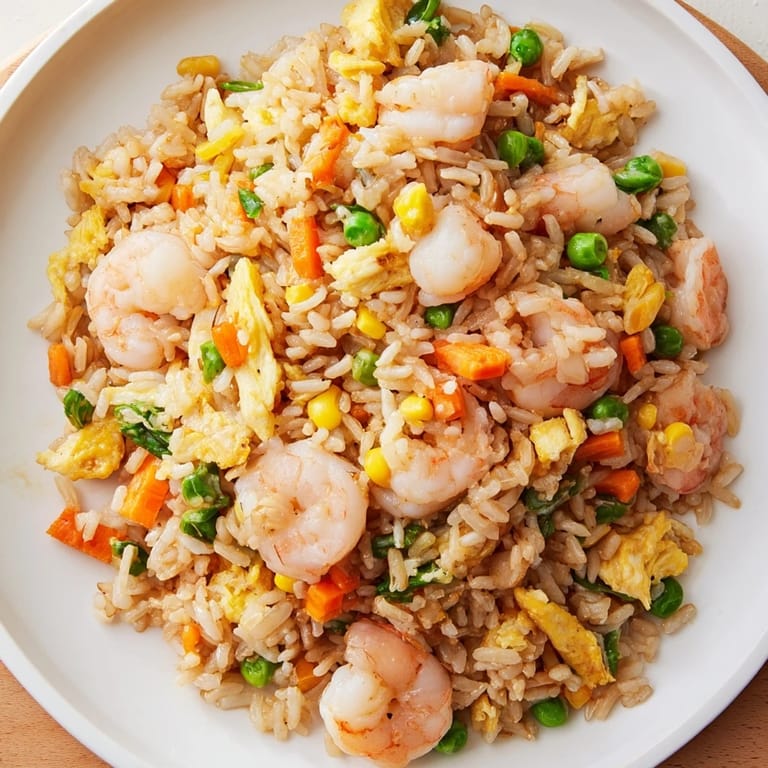
- Scatter in most of the sliced scallions and toss for one more minute until they soften just slightly and release their fresh bite into the whole dish.
 Pin it
 This dish became my answer to the question I used to ask myself at 6 PM: what can I actually make without losing my mind? It stopped feeling like a hack and started feeling like actual cooking, where ten minutes of focused energy and the right ingredients prove that speed doesn't have to mean sacrifice.
The Magic of Cold Rice
The moment I understood that day-old rice wasn't a limitation but a requirement, everything changed. Freshly cooked rice is too moist and sticky, but cold rice has lost that water and its grains are separate and ready to fry. When cold rice hits a hot pan, it actually absorbs the oil and sauce instead of just sitting there damp, which is why this dish works so fast and tastes so clean.
Speed Without Skipping Flavor
The real secret is doing everything in one pan without waiting for anything to finish before starting something else. While shrimp cooks, you have eggs ready, and while they scramble, frozen vegetables go in—it's a rhythm instead of a recipe, and once you feel it, you can do this without thinking. Every ingredient builds on the last one instead of replacing it, so nothing ever sits around getting cold.
Adjusting and Improvising
This recipe is honestly just a template for whatever proteins and vegetables you have hanging around, because the real work is done by the soy sauce and sesame oil making everything taste intentional. Swap the shrimp for chicken chunks, scallops, or even cubed tofu, and the timing barely changes—just make sure whatever you use cooks quickly because nobody has time to hover over a pan any longer than necessary.
- If your rice is still slightly warm, spread it on a plate for five minutes to cool it down faster instead of fighting clumpy rice.
- Taste before serving and be ready to add extra soy sauce or a squeeze of lime depending on what your mood is asking for.
- Leftovers actually taste better the next day if you keep them separate and reheat gently, or just eat it cold straight from the container like I definitely don't do at midnight.
 Pin it
 This shrimp fried rice hack is proof that the best meals often come from constraints instead of ambition—when you're hungry, short on time, and willing to trust that a few good ingredients and a hot pan are enough. Make it once and it becomes your secret weapon for nights when you need dinner to be good and fast.
Recipe Questions & Answers
- → What type of rice is best for this dish?
Day-old jasmine rice works best to prevent clumping and ensures a fluffy texture when stir-fried.
- → Can I substitute the shrimp with other proteins?
Yes, chicken, tofu, or other protein alternatives can be used without compromising flavor.
- → Why use frozen mixed vegetables?
Frozen mixed vegetables offer convenience and a balanced mix of peas, carrots, and corn that cook quickly and retain color.
- → How do sauces influence the final flavor?
Soy and oyster sauces add savory umami depth, while sesame oil provides a nutty aroma enhancing the overall taste.
- → Can I make this dish spicy?
Adding a dash of chili sauce or red pepper flakes is an easy way to introduce heat and complement the existing flavors.